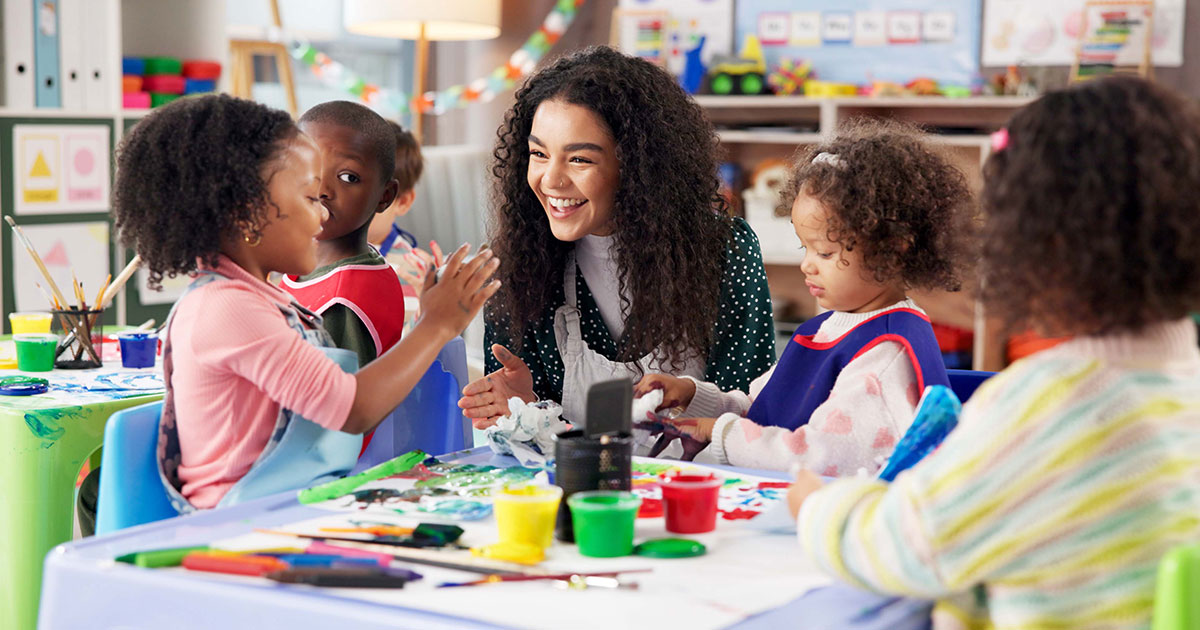
Studies have found that children’s language development is shaped not simply by being in an early childhood classroom, but by the quality of the interactions they have with their teachers.
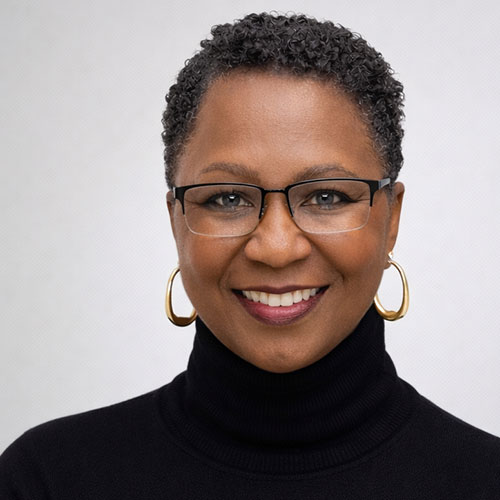
Diana Greene
Chief Executive Officer, Children’s Literacy Initiative
Every thoughtful conversation, open-ended question, and encouraging response helps strengthen the language skills that become the foundation for literacy.
When many people picture an early childhood classroom, they imagine children learning the alphabet, counting to 10, or singing songs on the carpet. Those moments are certainly part of the day, but they represent only a small piece of what early childhood educators truly do. Behind every story time, classroom conversation, and playful activity is an educator intentionally helping children build the foundation for a lifetime of learning.
What the work actually involves
Long before children become fluent readers, they are developing the language skills that make reading possible. Early childhood educators introduce rich vocabulary through books, play, songs, and everyday conversations. They encourage children to ask questions, express ideas, and make connections, helping them develop the communication skills that support future literacy, writing, and critical thinking.
At the same time, they are nurturing children’s social and emotional development. Learning how to take turns, solve problems with classmates, manage frustration, and build confidence are not separate from academic learning; they are essential to it. Children who feel safe, supported, and connected are better prepared to engage, explore, and grow.
Early childhood educators also build meaningful partnerships with families. They recognize that learning doesn’t begin when children walk through the classroom door, and it doesn’t end when they leave. By listening to families, honoring their experiences, and sharing strategies that can be used at home, educators create consistency between home and school that strengthens children’s development.
Every day, these professionals are also observing carefully. They notice when a child begins using more complex language, struggles to recognize sounds in words, or approaches learning differently than their peers. These observations help identify opportunities for additional support early, when intervention can have the greatest impact and before small challenges become larger barriers.
Where lifelong learning begins
Perhaps most importantly, early childhood educators create environments where children experience the joy of learning. They design classrooms that spark curiosity, encourage exploration, and celebrate discovery. Through purposeful play, thoughtful conversations, and meaningful relationships, they help children develop not only academic skills, but also confidence, resilience, and a belief in themselves as capable learners.
Teaching young children has never been simply about helping them master their ABCs. It is about helping them discover their voice, their curiosity, and their potential. Every question answered, every story shared, every block tower built, and every encouraging conversation contributes to the foundation on which future learning is built. When we invest in early childhood educators, we invest in the success of children, families, and communities for generations to come.
