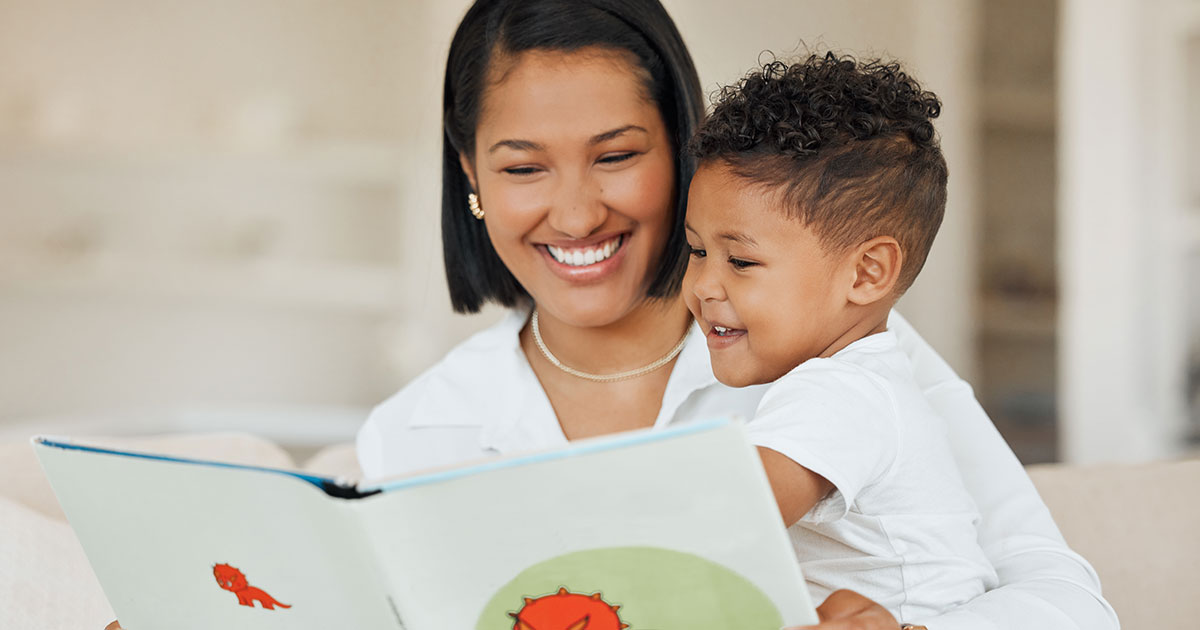
School readiness is built during the first five years through everyday relationships and routines, long before a child enters a classroom.
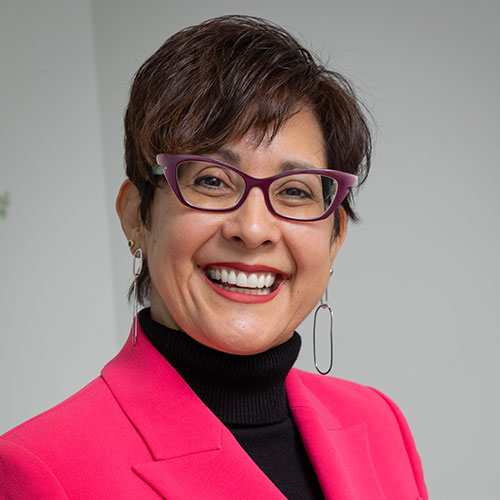
Lynette M. Fraga, Ph.D.
Chief Executive Officer, Reach Out and Read
As kindergarten approaches, all parents ask, “Is my child ready?” I’ve spent more than 30 years thinking about that question. Throughout my career working to improve outcomes for young children, I’ve visited clinics, classrooms, and community programs across the country. Along the way, I’ve met parents who worry they’re not doing enough, teachers who wish every child had access to the same opportunities, and clinicians who understand that healthy development begins long before a child can hold a pencil.
What I’ve learned is this: We spend far too much time wondering whether children are ready for school and not enough time asking if we’ve supported families during those critical first five years. It’s understandable — schools can measure reading and math proficiency once children arrive. However, those measures tell us where children are, not how they got there.
Readiness begins before the classroom
Before children enter a classroom, the foundation for how they learn, communicate, build relationships, and approach new experiences has already been laid. During the first five years of life, the brain develops more rapidly than at any other time, making daily interactions with caring adults especially powerful in shaping language, learning, and emotional development.
Those lessons aren’t taught through worksheets or flashcards. They’re learned through ordinary moments: conversations during dinner, books before bedtime, songs in the car, comforting hugs after a scraped knee, and caregivers who respond when a child points, babbles, or asks “why?” Through them, children develop the curiosity, resilience, and confidence they need to keep learning.
Parents don’t need to be teachers
One of the greatest misconceptions I encounter is that preparing children for school requires parents to become teachers. It doesn’t. Children don’t need every moment to be instructional or every activity to have an educational objective. What they need are caring adults who comfort them; talk, read, and sing with them; and create the kind of consistent routines that help them feel safe enough to explore, ask questions, and learn.
That’s why pediatric care is such a powerful platform. In clinics across the country, a well-child visit often begins with something simple: a book. As clinicians watch a baby reach for the pages or a toddler point to familiar pictures, they’re also modeling for caregivers how shared reading supports language, relationships, and the skills children need long before they enter a classroom. Well-child visits reach nearly every family during a child’s earliest years, reinforcing that everyday interactions like reading together, talking throughout the day, and nurturing responsive relationships are fundamental to healthy development, right alongside nutrition, sleep, and physical activity.
A responsibility we all share
Preparing children for school is not the responsibility of schools alone. It begins years earlier through the relationships, routines, and conversations children experience every day. Families, healthcare providers, educators, and communities all play a role in creating and supporting the conditions that help those moments happen. If we want more children to thrive when they walk into kindergarten, our greatest investment isn’t in preparing children for school; it’s in strengthening the relationships, routines, and shared moments that help families prepare them before the first school bell rings.
