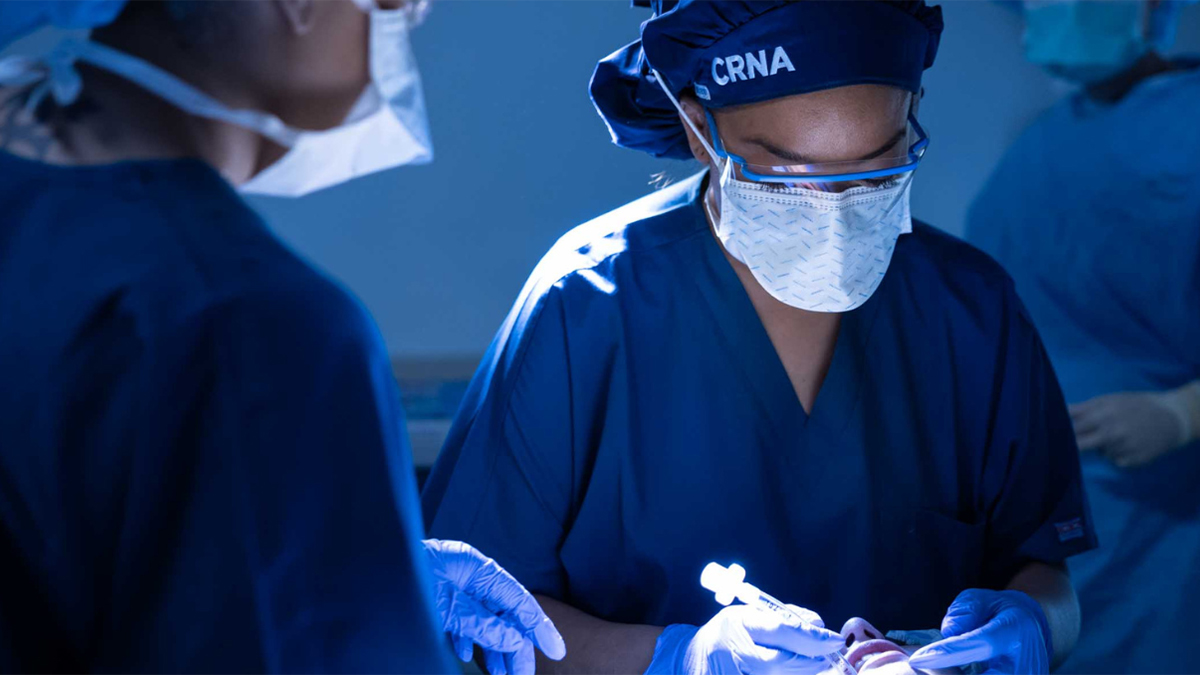
For many patients, the moments before surgery can be filled with anxiety and questions. A Certified Registered Nurse Anesthetist (CRNA), also known as a nurse anesthesiologist, is often one of the anesthesia professionals helping answer those questions.

Tracy Young, MSNA, M.B.A., CRNA
President, American Association of Nurse Anesthesiology
Patients may not immediately understand the role of every professional responsible for their care, but before, during, and after surgery, CRNAs are essential members of the anesthesia and surgical team, focused on patient safety throughout the entire procedure.
CRNAs are advanced practice registered nurses who complete rigorous graduate or doctoral education and extensive clinical training. They provide anesthesia care in hospitals, including Department of Veterans Affairs hospitals, as well as labor and delivery units, outpatient surgery centers, emergency rooms, pain management settings, and other healthcare environments.
Their work begins before the procedure, when they review the patient’s health history, assess risk, answer questions, and discuss the anesthesia plan. In the operating room, they remain with the patient, managing anesthesia, monitoring breathing and vital signs, and making real-time adjustments as the patient’s condition changes. Their care continues into recovery, helping patients wake safely from anesthesia and transition to the next stage of care.
Why CRNAs matter now
As healthcare systems face workforce shortages, growing demand, and increasing pressure to deliver timely care, CRNAs help keep surgical, obstetric, emergency, and pain management services available when patients need them most.
CRNAs provide more than 50% of anesthesia care nationwide and administer more than 58 million anesthetics each year in the United States. They also account for more than 80% of anesthesia care in rural U.S. counties, helping patients receive care closer to home.
CRNAs bring the training, expertise, vigilance, and patient-centered focus that patients rely on during some of their most vulnerable moments. Their role reflects the qualities that continue to make nurses among the nation’s most trusted professionals year after year, according to an annual Gallup poll.
What patients should know
Patients should feel comfortable talking with their anesthesia provider before surgery. Knowing who will provide their care, what type of anesthesia is planned, how to prepare, and what to expect during recovery can help patients feel more informed, confident, and involved in their healthcare journey.
For healthcare leaders and policymakers, supporting the CRNA workforce means supporting access to safe, timely care. As demand for procedures continues to rise and anesthesia staffing remains a challenge for many facilities, CRNAs help ensure patients can receive the care they need, when and where they need it.
CRNAs may not always be the first professionals patients think of when they picture surgery, but they are there at every step, monitoring patients closely and helping move them safely from preparation through recovery.
Patients looking for more information about anesthesia and what to expect can visit anesthesiaanswers.aana.com.
