Kindergarten teacher Lisa Elaine Peters, who shares her knowledge with almost 2 million Instagram followers, shares what really builds early literacy.
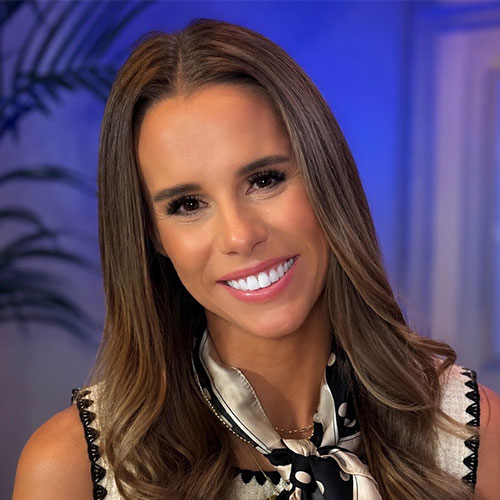
Lisa Elaine Peters
Content Creator, Mrs. Peters’ Class
What are the most important things educators and parents should prioritize today to build a strong foundation for lifelong learning?
The biggest thing I want both educators and parents to remember is that relationships come first. Children learn best when they feel safe, loved, and capable. We also need to prioritize strong foundational skills instead of rushing ahead. In my classroom, I spend a lot of time building oral language, phonological awareness, and a deep understanding of letters and sounds because those are the skills that make everything else possible.
How can families and educators thoughtfully balance technology with hands-on learning and meaningful real-world experiences during early childhood?
Technology can absolutely have a place, but it should never replace real experiences. Young children need to move, build, create, talk, and explore. A quality educational app can reinforce a skill, but it can’t replace reading together on the couch, playing a board game, building with blocks, or having conversations during everyday moments. I always encourage families to think of technology as a tool, not the teacher.
What are some of the biggest misconceptions about early literacy instruction?
One of the biggest misconceptions about early literacy is that it’s all about memorizing sight words or simply reading books. Strong readers are built through explicit, systematic instruction. Children need opportunities to hear sounds, manipulate sounds, connect those sounds to letters, and apply those skills while reading and writing. When we give them that solid foundation, reading becomes much more successful.
How can parents best support reading and language development at home?
Parents don’t need expensive programs to support literacy at home. Reading together every day, talking about what you’re seeing, asking open-ended questions, singing songs, playing rhyming games, and encouraging children to tell stories all make a huge difference. Some of the best language development happens during car rides, grocery store trips, and bedtime conversations.
As educational content for children continues to grow across social media and streaming platforms, what should parents look for when choosing high-quality learning experiences?
With so much educational content available online, I encourage parents to look beyond flashy graphics and catchy songs. Ask yourself if your child is actively thinking, talking, solving problems, and practicing real skills, or if they’re simply being entertained. High-quality learning experiences should encourage interaction, curiosity, and meaningful engagement rather than passive screen time.
What changes or innovations in early childhood education do you believe have the greatest potential to positively shape the next generation of learners?
One of the most exciting shifts in early childhood education is the growing emphasis on the science of reading and evidence-based instruction. We’re learning more than ever about how children become successful readers, and that’s allowing teachers to provide instruction that’s both engaging and effective. When we combine research-based practices with joyful, hands-on learning, we’re giving children the confidence and skills they’ll carry with them for years to come.
