

Children are not born knowing how to manage big emotions, and they learn those skills through the adults who care for them.
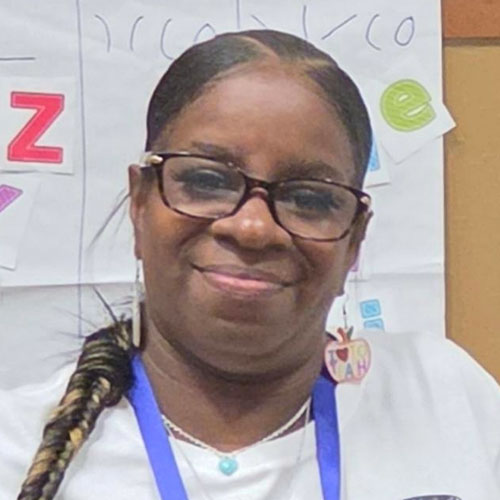
Lisa LaRue
Teacher Assistant, Educare Chicago; Contributor, Start Early
Every parent and educator has experienced it: a child overwhelmed by frustration, disappointment, or sadness. Tears, screaming, kicking, or throwing toys can leave adults wondering what to do next. While those moments can feel overwhelming, they’re also a natural part of childhood.
Where emotional skills come from
Children aren’t born knowing how to manage big emotions. They learn those skills through responsive, trusting relationships with the adults who care for them.
Young children don’t yet have the words to explain what they’re feeling. Instead, they may use their bodies because they’re still learning how to process their emotions. Our role as adults is to create a safe environment where children can learn to use their words in moments of frustration.
It’s OK for children to feel angry, upset, or disappointed. Those feelings are real and important. What children need is guidance in understanding what to do with those emotions.
That work begins with us. Children don’t need perfect adults; they need present ones.
When a child is overwhelmed, they struggle to hear everything we’re trying to say. Words get lost in the middle of big emotions. Before we help a child regulate, we have to regulate ourselves. Remaining calm, getting down at a child’s eye level, and speaking with a steady voice helps children feel safe enough to begin calming their own bodies.
Sometimes children need a drink of water. Sometimes they want a hug. Sometimes they need to push against a wall, squeeze a ball, tear paper, or simply sit quietly for a few moments. Only the child knows what they need, which is why offering choices can be so powerful. Rather than assuming we know why a child is upset, we can slow down, ask questions, and listen.
Everyday routines teach regulation
Children learn emotional regulation through everyday interactions.
Predictable routines help children know what comes next and create a sense of security. Reading books together, talking about emotions, role-playing different situations, and modeling our own feelings all help children connect emotions with language. Even simple conversations like asking why a character in a story is smiling or sharing that we feel frustrated can teach children that emotions are a normal part of life.
Children don’t need adults who never make mistakes. They need adults who are willing to model them. When we admit that we’re frustrated, surprised, or disappointed and show children healthy ways to respond, we’re teaching skills they will carry with them long after childhood.
Ask before you assume
Perhaps the most important lesson is this: Don’t assume you know why a child is upset.
Sometimes a child isn’t crying because they didn’t get their way. Sometimes they’re telling us they needed a hug, wanted one more goodbye, or simply needed someone to listen. When we pause, ask, and truly hear what children are trying to tell us, we strengthen the relationship that helps them understand themselves.
Emotional regulation isn’t about stopping children from having big feelings. It’s about helping them recognize those feelings, express them safely, and know they never have to navigate them alone.
