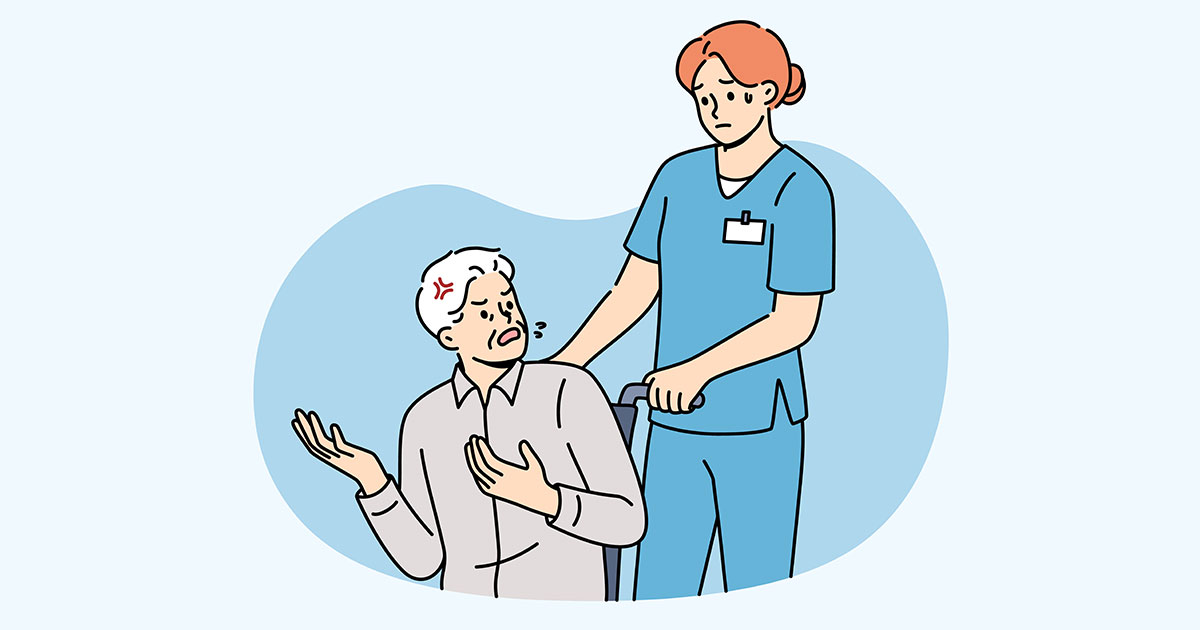
In emergency departments across the country, nurses are often the victims of workplace violence, and it’s taking a toll on their ability to deliver care.

Dustin Bass, D.N.P., M.H.A., RN, CEN, NEA-BC
President, Emergency Nurses Association
Emergency departments can be high-stress environments where nurses and physicians manage the care of everyone who comes through the doors, from the injured college athlete to the elderly person suffering a stroke, and from the baby with a spiking fever to the victim of a gunshot or sexual assault. No one is turned away.
Nurses know they see people on their darkest days. They understand patients may be scared, in physical pain, or frustrated with how long it takes to be treated. Loved ones accompanying those patients are often scared or angry, too. However, far too often, encounters that should be about caring for a patient turn into assaults against the healthcare worker.
I remember a pregnant colleague who was caring for multiple behavioral health patients in an emergency department overflow area. An agitated patient pushed her to the ground, and she landed on her stomach. She recovered physically, but the emotional toll never really left her, and she never returned to work in an emergency department. I often think about her and wonder how many other incredible emergency nurses our profession has lost because of similar experiences.
Workplace violence doesn’t just leave bruises; it changes careers, changes families, and is changing the future of our workforce.
Solutions start with prevention programs
A 2024 Emergency Nurses Association (ENA) study found nearly 20% of emergency nurses surveyed had experienced physical violence and more than half experienced verbal abuse and threats of violence. Nurses reported being punched, spit on, and having items thrown at them, suffering injuries ranging from cuts and bruises to internal organ damage. Research by other organizations reveals similarly jarring statistics.
Solutions to this pervasive problem must come from hospitals, legislatures, the patients themselves, and their visitors.
ENA has long advocated to better protect nurses, such as calling for a national standard requiring all healthcare employers to implement workplace violence prevention programs. Many hospitals developed such programs without waiting for a mandate, and a growing number of states now require them.
The effective programs are comprehensive and multifaceted, and they are about much more than drafting rules and regulations; they are also about changing attitudes.
Support that outlasts the report
I’ve seen organizations transform their culture by refusing to accept violence as inevitable. Getting hurt is not just part of the job. When leaders invest in prevention, education, de-escalation training, strong reporting processes, and meaningful support, it sends a message: Our people matter.
When an assault does occur, the responsibilities of hospital or nurse leaders don’t end with a completed incident report. They must check in on their staff who were assaulted to make sure they get the support they need — not just the next day, but sometimes weeks and months later. They help by ensuring everyone knows how to access their employee assistance program, helping navigate the reporting process, or even standing beside someone in court who pursues criminal charges.
Workplace violence prevention means caring about those who care for everyone else. If we want emergency nurses to continue answering the call when patients need them most, we have to answer the call to keep them safe. Without real changes, today’s nurses will keep leaving, tomorrow’s nurses won’t choose the emergency department, and fewer people will be ready to deliver the compassionate and expert care that those suffering on their darkest days need.
