

Laboratory scientist Stephanie Y. Whitehead, M.B.A., M.P.H., BS, MLS(ASCP)CM, didn’t gain her leadership experience overnight. Through introspection and building on experience, her career proves that intentionality, willingness to be challenged, and investing in future professionals is the key to growth.
As vice president of Pathology Services at University Health in San Antonio, Texas, and secretary of the Board of Directors for the American Society for Clinical Pathology (ASCP), Whitehead knows her way around a leadership position. At age 23, she landed her first laboratory director role.
That role, Whitehead says, “was the most humbling experience of my life. It was like drinking from a firehose, because I was a novice.” Being the laboratory director quickly taught her how to scientifically and technically become a good leader — and more. “It was a lot of quality and safety training,” she says, “but also the soft skills needed to lead.”
Here, she shares her insight on leadership in healthcare:
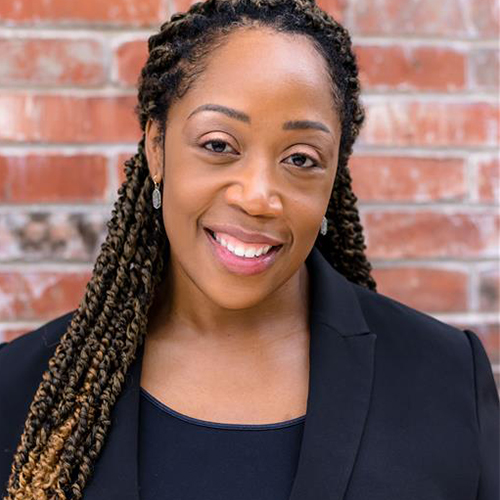
Stephanie Y. Whitehead, M.B.A., M.P.H., B.S., MLS(ASCP)CM
Vice President of Pathology Services at University Health in San Antonio, TX; Secretary of the Board of Directors for the American Society for Clinical Pathology (ASCP)
What helped you level up your leadership?
Stephanie Y. Whitehead: I had a good mentor who said if you’re the smartest person in the room, then you’re in the wrong room. You need to be in rooms where other people challenge you and provoke you and to and help you to elevate your thinking. And that came from me seeking mentors and being around thought leaders and peers. Being intentional about those environments kept me learning, grounded, and continuously stretching beyond what felt comfortable.
What leadership qualities did you intentionally develop?
SW: I am an introvert, so I intentionally studied how to show up more confidently in professional settings. I focused on practical skills — like making small talk and projecting confidence — that helped me feel more comfortable, take up space in meetings, and communicate with clarity.
If I was preparing for a conference in April, I would start thinking months in advance about how I wanted to show up and what I wanted to contribute.That kind of preparation helped me build confidence over time. I also learned the importance of not over-explaining myself and owning my accomplishments without downplaying them. Introspection is an often-underrated leadership skill — the ability to look back at a meeting, conversation, or experience and ask yourself what you could do better or how you might prepare differently the next time.
What advice would you give to women who want to step into a leadership role?
SW: Someone else’s pathway doesn’t have to be your pathway. There’s often an assumption that you must follow a traditional or linear career path before you can advance, but that wasn’t my experience. Preparing early and believing in myself allowed me to step into leadership when opportunities arose, and that’s why I am passionate about creating inclusive pathways and investing in the development of young professionals.
