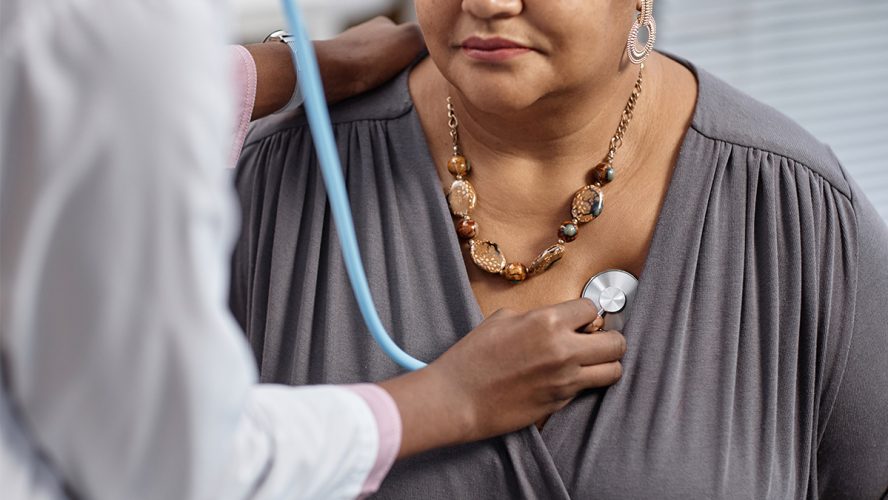
Women cardiologists’ contribution to the medical field is undeniable, but more
are necessary to bridge the gap in the male-dominated field and provide essential women-centered care.
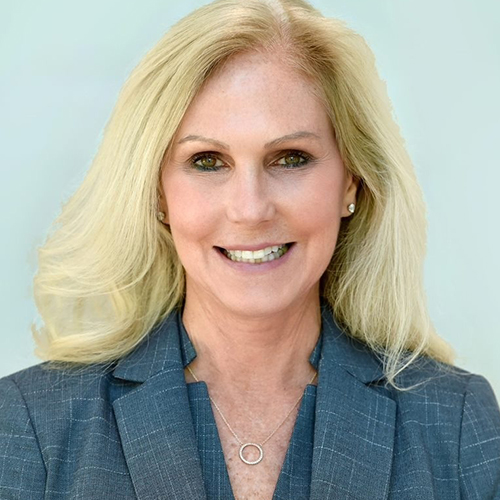
Malissa J. Wood, M.D.
Chief Medical Officer, Women As One
Women cardiologists are driving a profound transformation in cardiovascular medicine, elevating scientific rigor, reshaping patient care, and redefining what leadership looks like in a historically male-dominated field. Although, in the United States women represent fewer than 15% of board-certified cardiologists, their impact is outsized, accelerating progress toward equitable, innovative, and patient-centered care.
Revolutionizing cardiovascular research
One of the most powerful ways women cardiologists are reshaping the field is through research leadership. Studies show that when women lead clinical trials, enrollment of women — and of underrepresented racial and ethnic groups — significantly increases. This has critical implications: Women experience unique symptom profiles, different treatment responses, and distinct risk-benefit profiles across the cardiovascular disease spectrum. Under-enrollment in trials has historically limited understanding of these differences, reducing the relevance and safety of therapies for half the population.
Women investigators are directly addressing these gaps by designing more inclusive trials, advocating for sex-stratified analyses, broadening eligibility criteria to reflect real-world patients, and implementing recruitment strategies that prioritize gender equity. Their leadership strengthens scientific quality and ensures that emerging therapies meet the needs of diverse patients. As more women advance into positions as principal investigators, senior authors, and grant recipients, the cardiovascular research ecosystem becomes more robust, inclusive, and reflective of the true burden of disease.
Transforming patient care and clinical outcomes
Women cardiologists are also improving how care is delivered. Research consistently demonstrates that women patients experience better outcomes — including higher adherence to guidelines, improved communication, and in some cases lower mortality — when cared for by women physicians. These improvements appear linked to communication styles that foster trust, shared decision-making, and patient engagement.
Notably, gender-diverse clinical teams also enhance care. When male physicians work
alongside women colleagues, outcomes for women patients improve, highlighting the broader cultural and clinical benefits of an inclusive workforce. Women leaders in cardiology champion practices that center patient experience, emphasize behavioral health, and strengthen understanding of sex-specific risk factors — ultimately helping close longstanding gaps in cardiovascular outcomes for women.
Redefining leadership and professional culture
Women cardiologists are advancing a new leadership paradigm: one grounded in collaboration, equity, and professional development. They are expanding mentorship and sponsorship networks, increasing visibility for women’s contributions, and ensuring that leadership pipelines are transparent and accessible. Their advocacy has led to enhanced opportunities for training, research development, and leadership cultivation through organizations such as the American College of Cardiology, the American Heart Association, and Women As One.
At the same time, women leaders are reshaping the culture of cardiology to better support work-life integration, reduce burnout, and attract new talent. By addressing recruitment bottlenecks, highlighting the value of flexible careers, and serving as visible role models, they are helping build a more representative and resilient workforce.
Driving meaningful change in cardiovascular health
The influence of women cardiologists extends beyond individual careers. They are catalyzing systemic change in cardiovascular health. Their leadership enhances research relevance, improves patient outcomes, and builds clinical environments that value innovation, equity, and compassion. As more women rise in the specialty, the field is becoming better equipped to understand and address the unique cardiovascular needs of women worldwide.
Women cardiologists are not simply contributing to the field — they are shaping its future.
