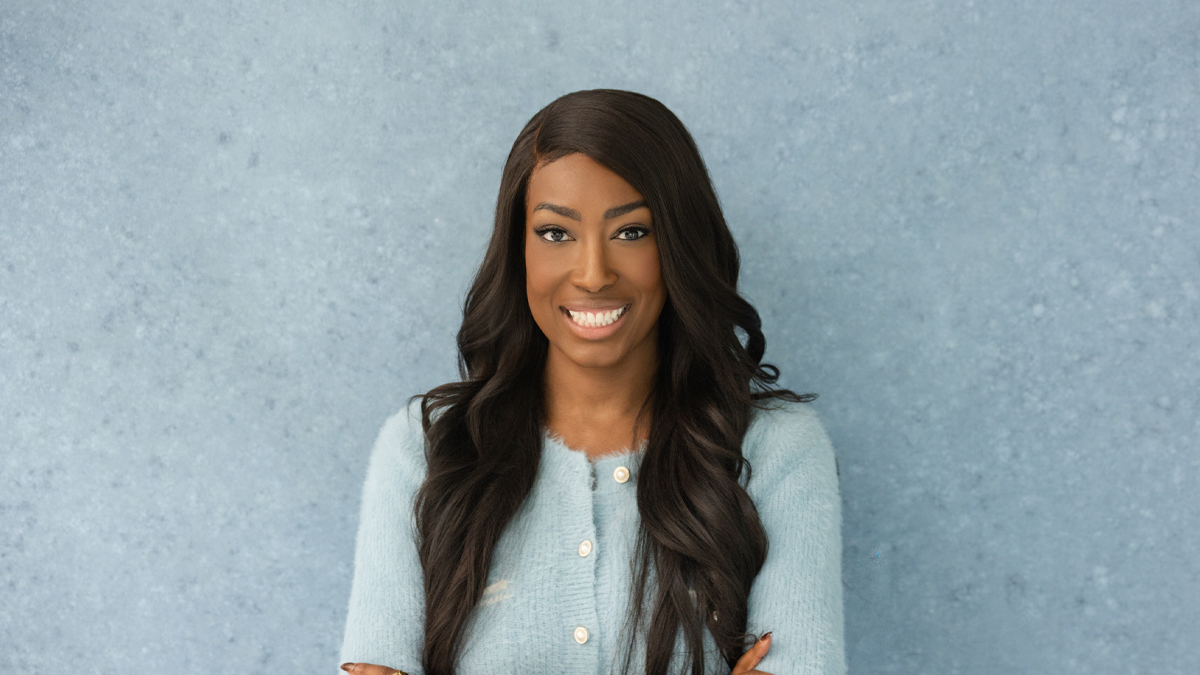
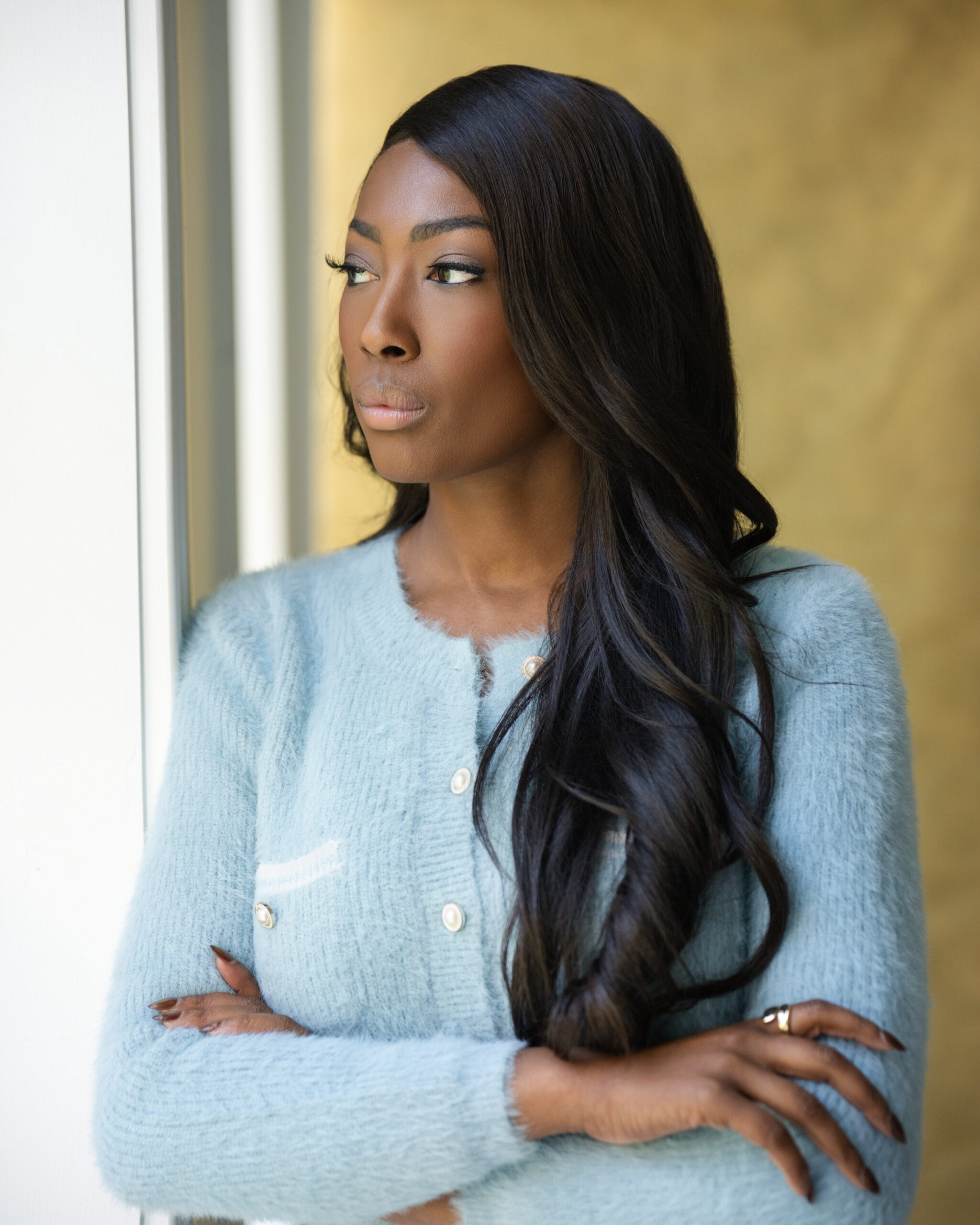
Aisha Bowe never took no for an answer — she turned doubt into drive and became a multihyphenate NASA engineer and astronaut. Her journey proves that if you just jump in and give yourself a chance, the sky’s the limit.
What first pulled you towards aerospace and eventually NASA?
I’m literally going to do the wildest, most outrageous thing I can think of. And for the rest of my life, I’m going to commit myself to picking and choosing my careers based on what I think the limitations are. My initial manifesto was really small. I was going to go to university, study something hard, and get a great job. Studying something hard meant I’d be a rocket scientist, an aerospace engineer, and I was going to do it at Michigan Engineering, because nobody thought I could. It wasn’t about the things I thought I could do, it was about doing everything I thought I couldn’t do — everything people told me I wouldn’t, I shouldn’t, or I couldn’t do.
What was the most challenging project you worked on at NASA?
The most challenging project for me was working on aircraft trajectory optimization algorithms. It was incredibly rigorous research: developing hypotheses, testing them, writing and publishing research papers, and going to conferences. It was really where I learned the art of the multiyear project.
Before NASA, most things I worked on were semester-long or maybe a degree program. But trajectory optimization was more like a multidecade vision to modernize the air transportation system. I learned patience, persistence, and how to enjoy the journey. Everything I’ve done since then has been three- to five-year projects. It’s not about immediate gratification, it’s about continuously working toward the outcome I want, hope for, or believe I deserve.
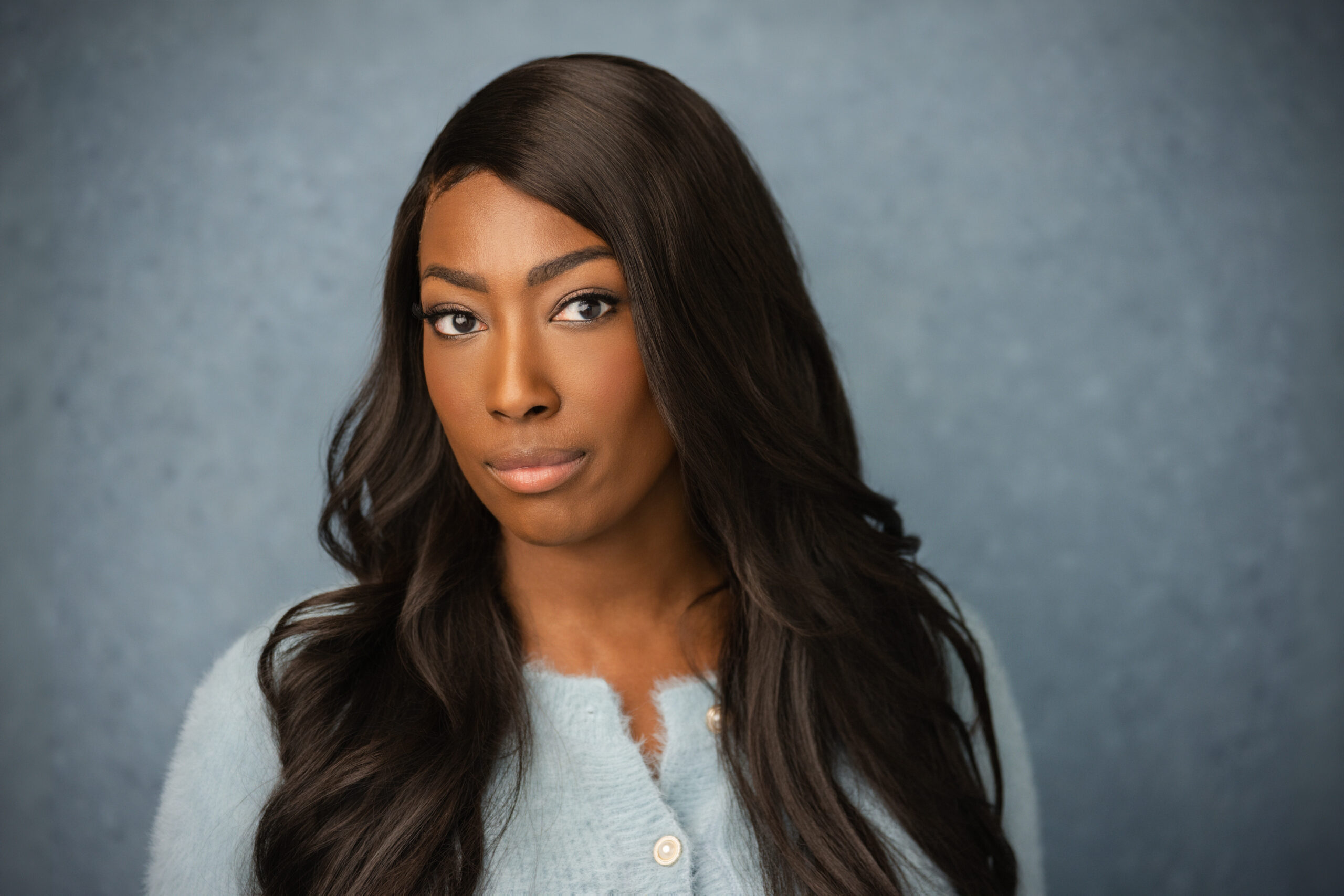
How do you think space and aerospace work connects to the future of computing and AI?
I’m sure there are probably some really practical, straightforward examples, but I feel like space connects to everything. The core of that is whenever we are reaching for space, we’re developing advanced applications. I think people sometimes think of it as a one-off or a unique scenario. But anything that is developed for space ends up having benefits on Earth. There’s entire books and articles about the commercialization of technologies that were used for space that now we see here.
So I kind of look at space and AI as not only intertwined, but ultimately pushing us to an elevated level of technology and interconnectedness in society. Especially on the heels of the Artemis program. We’re getting ready to go into a period of active space flight from surveying the moon, which is what was done in Artemis, to landing on the moon, which is the plan for 2028. There’s a lot of interest and excitement around humanity’s next evolution.
What responsibility do leaders in tech have to create more inclusive spaces?
I want to focus on is this, the outcome of these spaces. It allows you to solve hard problems. It allows you to do big things. There’s an African proverb that I love. It says, if you want to go fast, go alone. If you want to go far, go together. So I think it’s incumbent upon companies to think about who their users are. Who are their customers? What does that next generation look like? If that buyer, that decision maker, is just one person, then maybe you don’t need an inclusive space. But if you’re planning on trying to market or advertise your product to a wide variety of people, then maybe you should think about inclusive spaces.
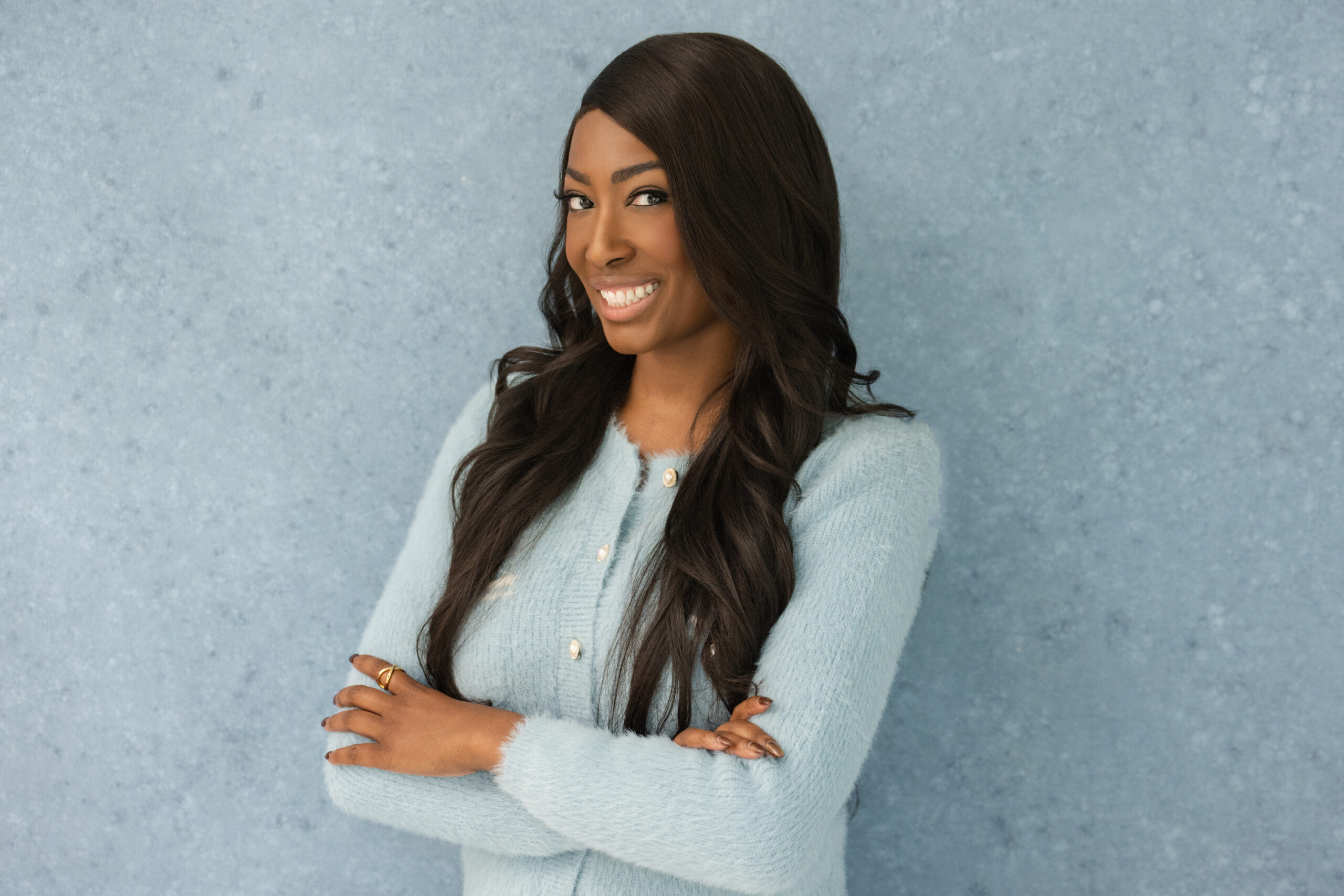
What advice would you give to a young woman who’s interested in tech but unsure where to start?
I really believe humanity has a doubt problem. On any given day, the human mind has about 6,000 thoughts — 90% of them are doubtful, and 80% are repetitive.That doubt can sometimes be useful, but most of it is about your own potential, capacity, and capability. Especially if you’ve never seen someone do what you want to do, or you don’t have a mentor or support system. I look at myself like a computer and think about upgrading my programming. You might be running outdated systems installed when you were younger. Revisit them. Whether it’s deciding to change your career, get a passport, or try something new, challenge the doubt. Most of the time, it isn’t real. When you challenge it, and do the thing, it goes away.
I started with small steps. Going to NASA, building a business people said would fail, raising money for education, and eventually deciding to go to space. Every step was a response to doubt. If I can go from being 18 and unsure to where I am now, imagine what others can do if they don’t give in to doubt.
What message do you hope young women take away from seeing your story?
Number one: Be yourself; the world will adjust. Number two: Let curiosity be your guide. And number three: Knowing what you want to do is as important as knowing what you do not like to do. Don’t feel as though it has to be the perfect time or the perfect opportunity. Just jump in. There were a lot of experiences that I had where I was mentoring, or I was talking to people about their careers, and I was like, “Love that, love that, don’t want to do that.”
All of those really helped me understand what I like to do, where I’m good, and how to operate. Those three things would be my advice to anybody who’s getting started. Another quote I really love is from Henry Ford: “If I would have asked the people what they wanted, they would have told me faster horses.”
I love that because while you’re creating these things, it’s very important to stay true to your vision. When he was creating the car, all people had seen were horses. But he created the car anyway. There will be times in your life and your career where you’ll be in a similar situation where you’ll say, I want to do this thing, or I want to build this thing. And people will tell you, maybe you shouldn’t do that. Don’t listen.
