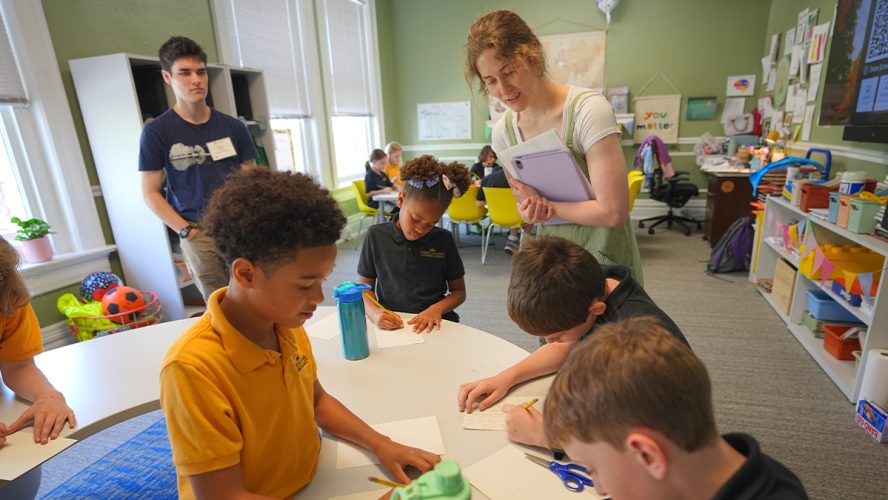
Helping children overcome obstacles and learn to love reading requires expert knowledge and sustained, hands-on experience.
Reading is a foundational skill that is complex to teach and assess. At the same time, students may be engaging with text more than we recognize.
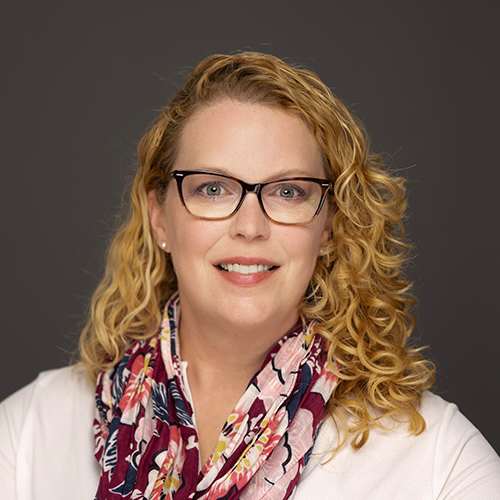
Professor Emily Pendergrass
Program Director, Reading Education, Vanderbilt Peabody College of education and human development
“If we include graphic novels, comic books, online texts, social media, then our kids are actually reading quite a bit,” noted Professor Emily Pendergrass, director of the Reading Education master’s degree program at Vanderbilt Peabody College of education and human development. Through the program, teachers with experience can advance their knowledge while adding a reading specialist endorsement. “Our program helps teachers identify gaps in reading knowledge or background knowledge and intentionally address them.”
Leadership in reading
Peabody’s influence in literacy education spans decades. Read 180, a pioneering computer-based instructional program first developed at Peabody, is used by thousands of schools and districts. Peer-Assisted Learning Strategies (PALS) has been widely adopted for improving reading (and math) with K-6 students with special needs. Always at the leading edge, Peabody professors are using tools such as fMRI imaging to study the brain basis of reading and understand why some children struggle to read.
Master’s candidates in Peabody’s Reading Education program are tasked with thinking critically about research and translating findings into meaningful classroom practice.
Beyond the classroom
Peabody scholars think expansively about reading and literacy. For example, researchers in child development built on the dialogic reading method — where adults and young children discuss a story to build language skills — to create a new app called REED, now moving toward market. Master’s candidates and their professors recently partnered with Disney Books and author Jen Calonita to develop supplemental materials tied to her young adult novel “Fairy Godmother,” connecting researched-based strategies with books that students are eager to read.
Leadership in a time of rapid change
Peabody’s goal is to prepare graduates to lead in an evolving literacy landscape. Students have opportunities to present their ideas at national conferences and engage with emerging technologies like artificial intelligence in classrooms.
“In this master’s program, you’ll study digital literacies in ways that are grounded in both research and classroom realities,” Professor Pendergrass noted. “We examine how AI is shaping literacy practices and ask important questions: how do we keep the literacy in AI literacy? What are the ethical implications?”
Addressing dyslexia with research and practice
In 2024, Vanderbilt and Peabody opened the Roberts Academy and Dyslexia Center, a transitional school for children in grades 1-5 with dyslexia. This center shares research and best practices while providing direct support to children and families. Peabody also offers a certificate in Dyslexia Studies for enrolled Vanderbilt master’s students who want to enhance their career readiness.
“We want our graduates to be leaders,” Professor Pendergrass said. “We want them to be advocates. We’re committed to being a research-savvy, practice-forward institution.”
For current or aspiring educators wanting a multidisciplinary approach to reading, literacy and language, Vanderbilt Peabody College offers intellectual depth and real-world impact.
For information about Peabody College’s reading master’s and related programs, click here
