Illiteracy in America is not a problem confined to classrooms or school districts. It is a national crisis with far-reaching consequences that begins long before a child ever sets foot in a school.

Dr. Diana Greene
CEO, Children’s Literacy Initiative
Today, only 31% of U.S. fourth-graders read proficiently, according to the National Center for Education Statistics, a sobering indicator of how early gaps in language and literacy compound over time. At the same time, many children enter kindergarten without consistent access to the early learning experiences that nurture communication, curiosity, and confidence, placing them on a trajectory that becomes increasingly difficult and costly to shift later on.
These disparities disproportionately affect Black, Brown, and low-income children, reflecting long-standing structural inequities rather than individual or family failure. Too often, conversations about early literacy focus on what children lack, instead of recognizing the strengths, cultural knowledge, and potential they bring with them, and the environments they deserve to thrive in.
What high-quality pre-K really offers
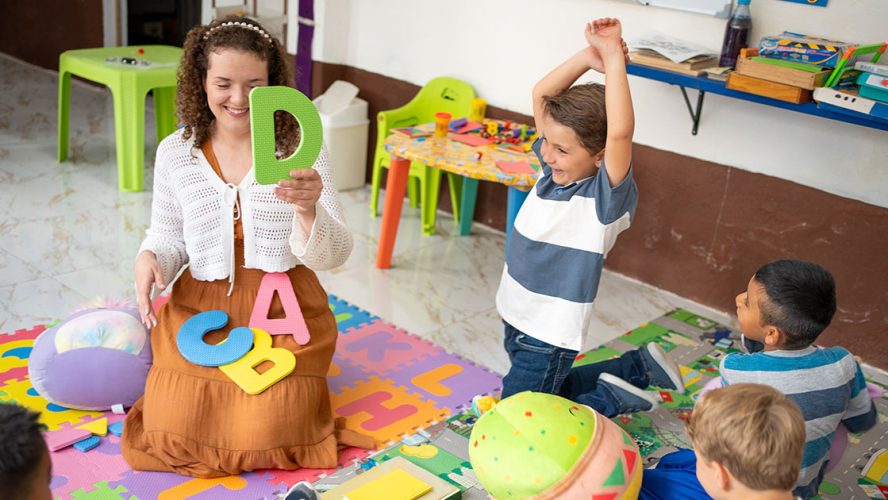
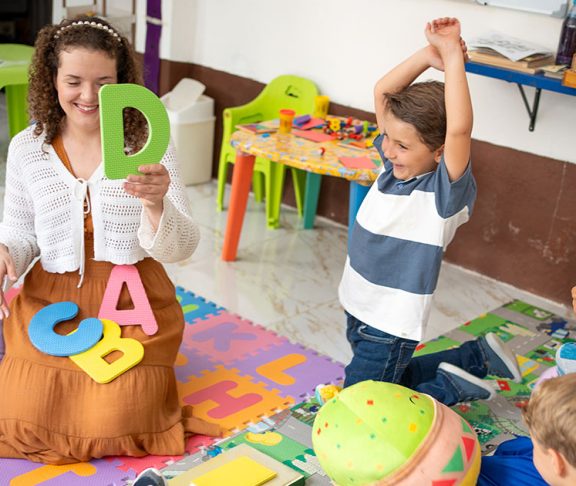
High-quality pre-K offers far more than academic preparation. It creates daily opportunities for social-emotional development through play, collaboration, and problem-solving. In child-centered classrooms, children learn to build relationships, regulate emotions, take risks, and persist through challenges, skills that are foundational to literacy and lifelong learning. Through positive interactions with caring adults and peers, children develop a sense of belonging and agency that supports their growth as learners.
Pre-K also fosters excitement around books and communication. Children engage with stories, drawing, pretend writing, shared reading, and conversation, learning that their ideas matter and that language is a powerful tool for expression and connection. These early experiences establish literacy not as a task to master, but as a meaningful, joyful part of everyday life.
The cost of limited access
The consequences of limited access to these early opportunities extend well into adulthood. Adults with low literacy skills face higher rates of unemployment, poorer health outcomes, and greater involvement with the criminal justice system. Adult illiteracy is not an abstract risk; it is a lived reality for millions, and it often begins long before formal schooling starts.
Research consistently shows that early childhood — birth through age five — is the most powerful window for change. Investments in high-quality early childhood education yield significant long-term returns through increased educational attainment, higher lifetime earnings, and reduced public costs related to remediation, healthcare, and incarceration. Early literacy, therefore, is not only good education policy; it is sound economic and social policy.
A shared national commitment
We are not powerless in the face of this crisis. Proven, research-based solutions exist, and communities across the country are demonstrating what is possible when educators, families, and partners work together to create joyful, affirming early learning environments. But progress requires collective responsibility. Literacy is not the sole burden of schools or parents; it is a shared national commitment.
If we are serious about preparing the next generation for success, we must start at the beginning. Investing in high-quality, asset-based early childhood education is not optional. It is urgent, it is effective, and it is essential to the future we all share.
