By the time a child enters kindergarten, many of the most powerful predictors of literacy success have already been shaped, and in under-resourced communities, those gaps emerge even earlier.

Lynette M. Fraga, Ph.D.
CEO, Reach Out and Read
When we talk about America’s literacy crisis, the conversation often steers toward later years, when fourth-grade test scores are declining or only a fraction of high school seniors can read at grade level. However, the stark truth is that by the time a child enters kindergarten, many of the most powerful predictors of literacy success have already been shaped.
In under-resourced communities, these gaps emerge even earlier and widen more quickly — not because of a lack of potential, but because families often have limited access to books, early learning tools, and systems designed to support them during the critical early years. Closing these gaps begins where learning truly begins: in the first five years of life.

Parents as first teachers
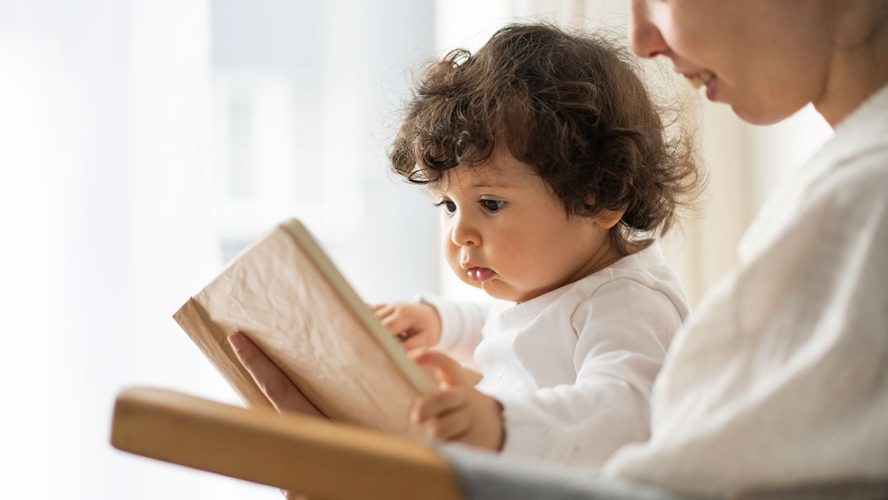
The path to strong reading skills starts long before a child can sound out their first word. Parents are their children’s first teachers. The moments of shared attention between a caregiver and baby, the giggles over a picture book, the routine of reading before naptime — for children ages birth to 5, these everyday interactions are not only comforting rituals but also the building blocks of language, connection, and school readiness.
Across the country, pediatric clinicians and early childhood experts agree on one thing: The earliest years present an unparalleled opportunity to strengthen the foundations of literacy. During well-child visits, which nearly all families attend, clinicians routinely see how introducing books, modeling shared reading, and encouraging responsive interactions can shift a child’s developmental trajectory. These moments are brief but powerful touchpoints in a system that reaches millions of children each year.
Equity and access
National data continues to show that families facing socioeconomic barriers often have the least access to high-quality early learning resources, despite having the same hopes and aspirations for their children. A significant share of the youngest children in the United States come from under-resourced communities or identify as Black, Indigenous, or People of Color, groups that have historically experienced systemic inequities in education and health. Yet, when families are given literacy tools, guidance, and encouragement early on, the outcomes can be transformative.
Clinicians frequently describe the same small but profound moments: a toddler proudly clutching a board book, a parent discovering how to follow their child’s lead, an infant leaning toward a familiar voice. These simple, joyful interactions are linked to measurable gains in language development, emotional connection, and the early cognitive skills that underpin school readiness. They are reminders that literacy is not built through drills or worksheets, but through relationships.
For educators and parents alike, this is a powerful reminder: Literacy is not only an academic skill; it is a relational one. Children learn best when they feel safe, engaged, and connected. When caregivers read with their infants, toddlers, and preschoolers, they are not preparing them solely for kindergarten; they are nurturing confidence, curiosity, and the joy of learning.
Investing in the first five years
We cannot tutor our way out of a literacy crisis if we overlook the first five years. The most equitable and impactful approach we have is also the most human: supporting caregivers and young children to share stories, build bonds, and experience the magic of reading together.
If we invest in this early foundation, we can change literacy outcomes not just for one classroom, but for an entire generation.
