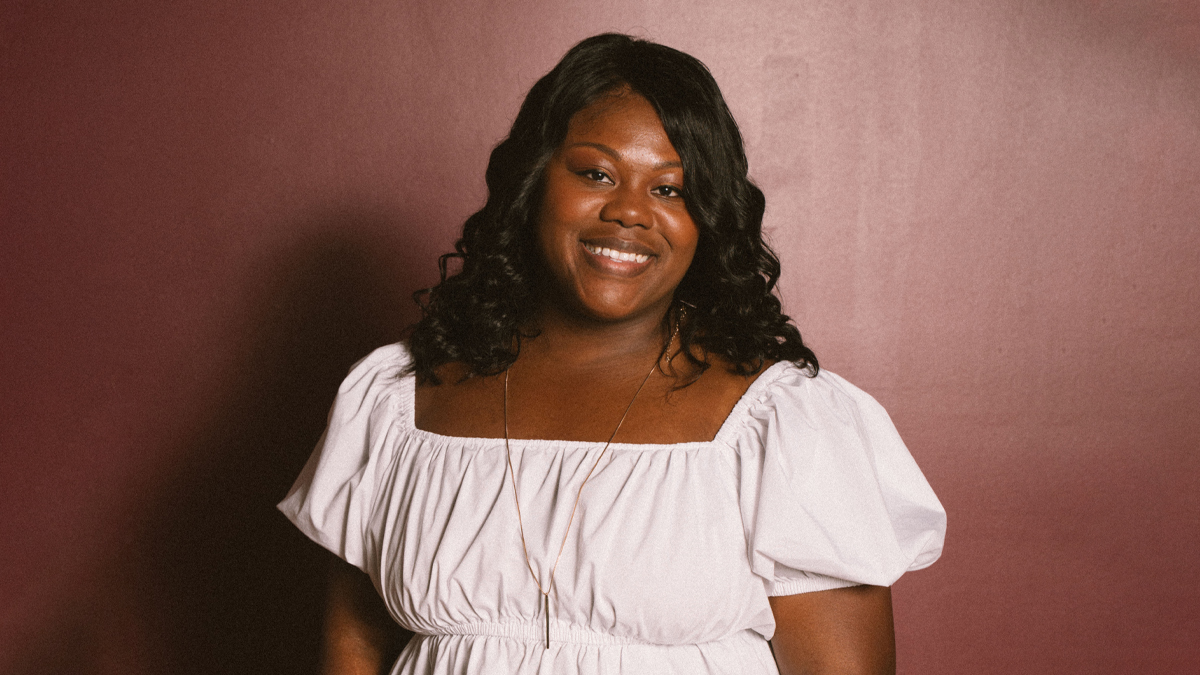
Sade Meeks, aka “Sade, the Scholarship Junkie,” is a two-time debt-free graduate, scholarship coach, and CPA helping students win funding for college through strategic applications and essay writing.
Can you share your college journey and how you were able to graduate debt free?
Like many students, I did take out student loans my freshman year of college, but I made a decision early on that I did not want debt to define my future or limit my options after graduation. From that point on, I became very intentional about getting rid of my debt. I worked multiple part-time jobs, pursued high-paying internships, and applied for scholarships consistently.
I stayed organized and looked beyond the big national awards, focusing also on local, niche, and organization-based opportunities as well. Over time, that strategy paid off. I won over $200,000 in scholarships, earned tens of thousands of dollars through part-time jobs, my own accounting tutoring business, and internships — which all contributed to me becoming debt free.
That experience taught me that aggression is necessary when it comes to your financial future. It is a big part of why I built The Scholarship Collective and Scholarship Junkie brand. I wanted students to know that graduating with less debt, or even no debt at all, is possible when you combine strategy, consistency, and a willingness to use every resource available to you.
What was the biggest challenge you faced in funding your education and how did you address it?
The biggest challenge was not just finding opportunities, it was figuring out how to stand out in a process that can feel overwhelming and competitive. A lot of students are told to “just apply for scholarships,” but they are not always taught how to build a system, how to write stronger essays, or how to stay consistent when rejection happens.
I addressed that by becoming more strategic. I stopped treating every scholarship the same and started focusing on fit, deadlines, essay themes, and whether I could realistically submit a strong application. I reused and refined essays, kept track of requirements, and leaned into opportunities connected to my story, goals, leadership, and community involvement.
While you were in school, how did you approach finding and applying for scholarships, and how did you decide which ones were worth your time?
I approached scholarships like just one of many part-time jobs and responsibilities I was juggling. I was always searching, tracking, writing, and improving. I looked at local scholarships, school-specific opportunities, professional associations, community organizations, and national programs. I did not rely on one source. To decide what was worth my time, I asked these three practical questions to gauge if it was worth my time:
- Does this scholarship align with my background, goals, major, identity, or experiences in at least three ways? (It’s not just about being eligible — it’s about best fit.)
- Are there multiple awards being given out?
- Do I already have essay content I can adapt for it?
I think students waste time when they apply randomly. I always encourage them to focus on scholarships where there is a clear match and where they can submit a thoughtful, competitive application. A smaller scholarship with a better fit can be more valuable than a huge award with thousands of applicants and no alignment.
With upcoming federal loan cap changes, how do you think students’ strategies for funding higher education might need to adapt?
Students and families will need to become even more proactive and creative. Starting with choosing schools that are affordable to begin with. Each time I went to college, it was at a small, expensive private university. I had to grind for years to afford it and that is not realistic for a lot of people.
I would encourage students to lessen their burden by either attending a state school or considering doing two years at community college and then transferring. The burden of education costs should not deter people from pursuing their education. When borrowing options become more limited, then the financial plan cannot start after the acceptance letter arrives. It has to start earlier. Students and families will need to:
- Prioritize affordability when building their college list
- Apply for scholarships earlier and more consistently
- Consider in-state options, honors programs, and schools with strong institutional aid
- Compare total cost of attendance, not just tuition
- Look into employer benefits, assistantships, fellowships, and professional organizations
I also think we will see more students asking harder questions before enrolling: What is the return on investment? What support does this school offer? What will I actually owe? That is a healthy shift. The goal should not just be getting in. It should be choosing a path that is financially sustainable.
What advice would you give to students who are considering graduate school and are concerned about the cost?
My biggest advice is do not assume loans are your only option, and do not rush into graduate school without a strategy. Graduate school can absolutely be worth it, but students should be clear on why they are going, what outcome they want, and how much debt makes sense for that path.
I would encourage students to:
- Research fully funded programs, assistantships, fellowships, and employer tuition benefits
- Look for scholarships through departments, associations, and identity-based organizations
- Compare programs based on net cost, not prestige alone
- Be honest about career salary potential and return on investment
For many students, the smartest move is not the fastest move. It may make sense to work first, build savings, gain experience, or choose a program with better funding. Graduate school should expand your options, not create a financial burden that follows you for years.
