

College isn’t one-size-fits-all — and the sooner we act on that, the better we can support students in reaching their goals.
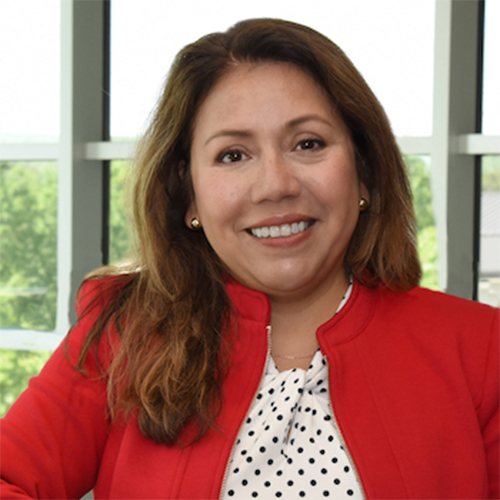
Ekaterina Struett
CEO, College Advising Corps
For years, the message about college has sounded the same: graduate high school, enroll in a four-year university, and follow a straight path to a degree. But for far more students and families than we often acknowledge, that path has never reflected reality.
Today, students have more options than ever to pursue education and training after high school. They can begin at a four-year university, start at a community college, enroll in a technical or training program, or balance work and learning at the same time. Many move between these options as their goals and circumstances evolve. These are not backup plans — they are real, valuable pathways that lead to meaningful careers and long-term stability.
Next steps that make sense
Higher education and post-secondary training remain among the most powerful tools for expanding opportunity. They can open doors to better jobs, greater financial security, and more choices about the life you want to build. But navigating these options can feel overwhelming, especially when information about cost, programs, and outcomes isn’t always clear or easy to access.
That’s why it’s time to shift the conversation. The question isn’t “What is the best college?” It’s “What is the best next step for me within the many pathways available?”
The answer will look different for every student. For some, that may mean starting close to home to manage costs or family responsibilities. For others, it may mean choosing a college with strong student support or a program that offers hands-on experience or a direct connection to a career. It’s not just about where you go, but whether that environment will help you succeed — based on your goals, your circumstances, and the support you need to move forward, not someone else’s expectations or outdated ideas of what college is supposed to be.
Ask individualized questions
As students and families weigh these options, the most important questions are often the most practical: What will this program cost, and what financial aid is available? What kinds of support does the school offer like advising or tutoring? What do graduates go on to do? These answers matter far more than rankings or name recognition.
Affordability must also be part of every decision. Student debt can shape financial choices for years, making it critical to understand the full cost of any pathway. For many students, public colleges and state universities offer strong programs at a lower cost — especially when financial aid is fully used. Yet each year, thousands of students leave grant aid on the table simply because they don’t complete the process or don’t realize what they qualify for. Starting at a community college, living at home, or choosing a shorter-term credential program can also be smart ways to build education and skills while managing costs.
Confidence is built on support
Just as important is having support along the way. Students are more likely to succeed when they have someone to turn to, whether that’s a counselor, advisor, teacher, or trusted adult, who can help them navigate their options and move forward with confidence.
There may not be one set path, but momentum matters. Keep moving forward toward education and training that build skills, open doors, and create opportunity.
College — and education beyond high school — is not one-size-fits-all. The sooner we let go of that idea, the more students can find post-secondary pathways that truly fit their lives and the futures they are working toward.
