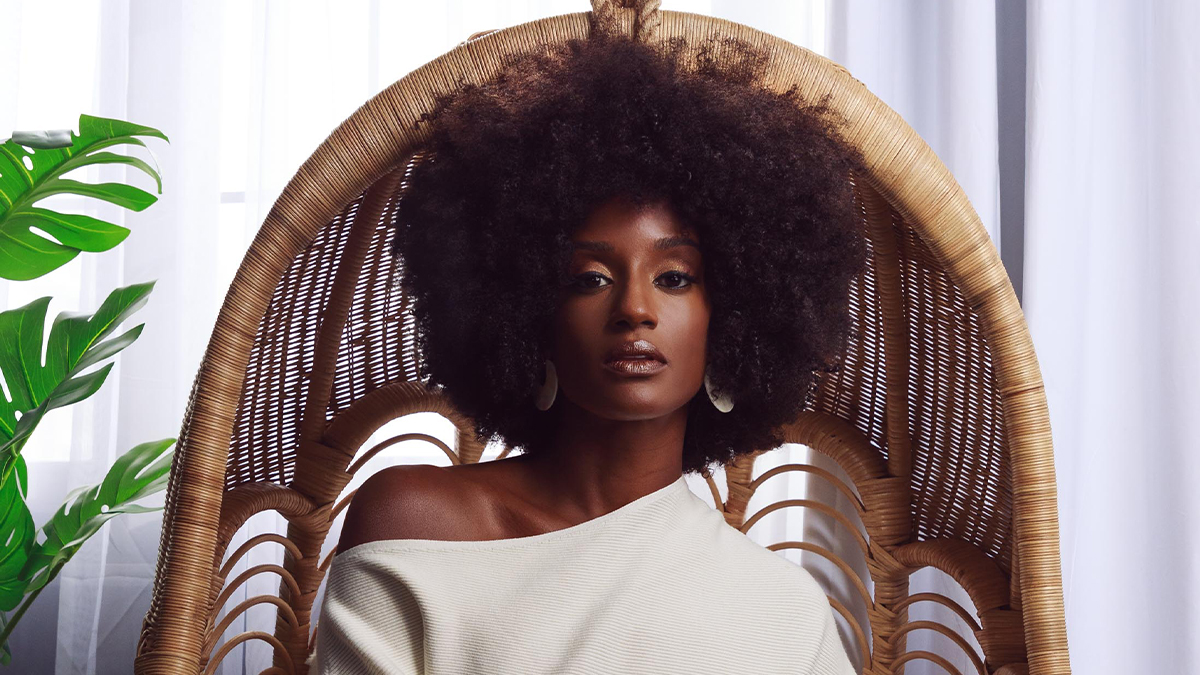
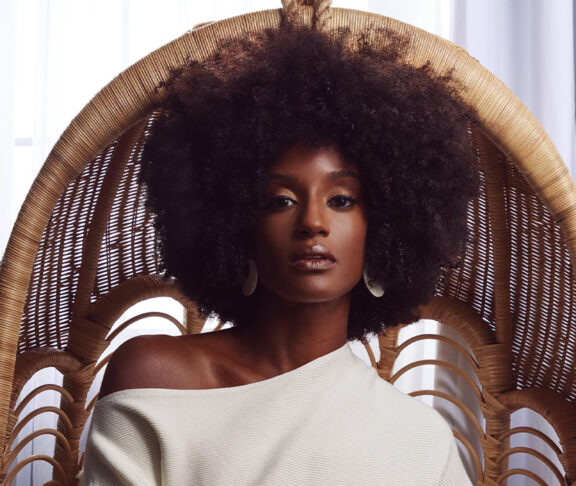
Award-winning actress Skye P. Marshall turns her role as junior partner on the CBS legal drama “Matlock” into a study in humanity, showing the nuance of the profession and highlighting its impact.
Through your portrayal of legal professionals on screen, what have you learned about the realities and pressures of high-stakes decision-making in the legal world?
What has surprised me most is how little of it is actually about the law and how much of it is about humanity under pressure. These are people making life-altering decisions with incomplete information and competing agendas, and the clock always ticking.
Playing a character in that space has taught me that clarity isn’t always available, so I have to bet on courage. And that the real skill is being able to stand in uncertainty, make the call, and live with the consequences.
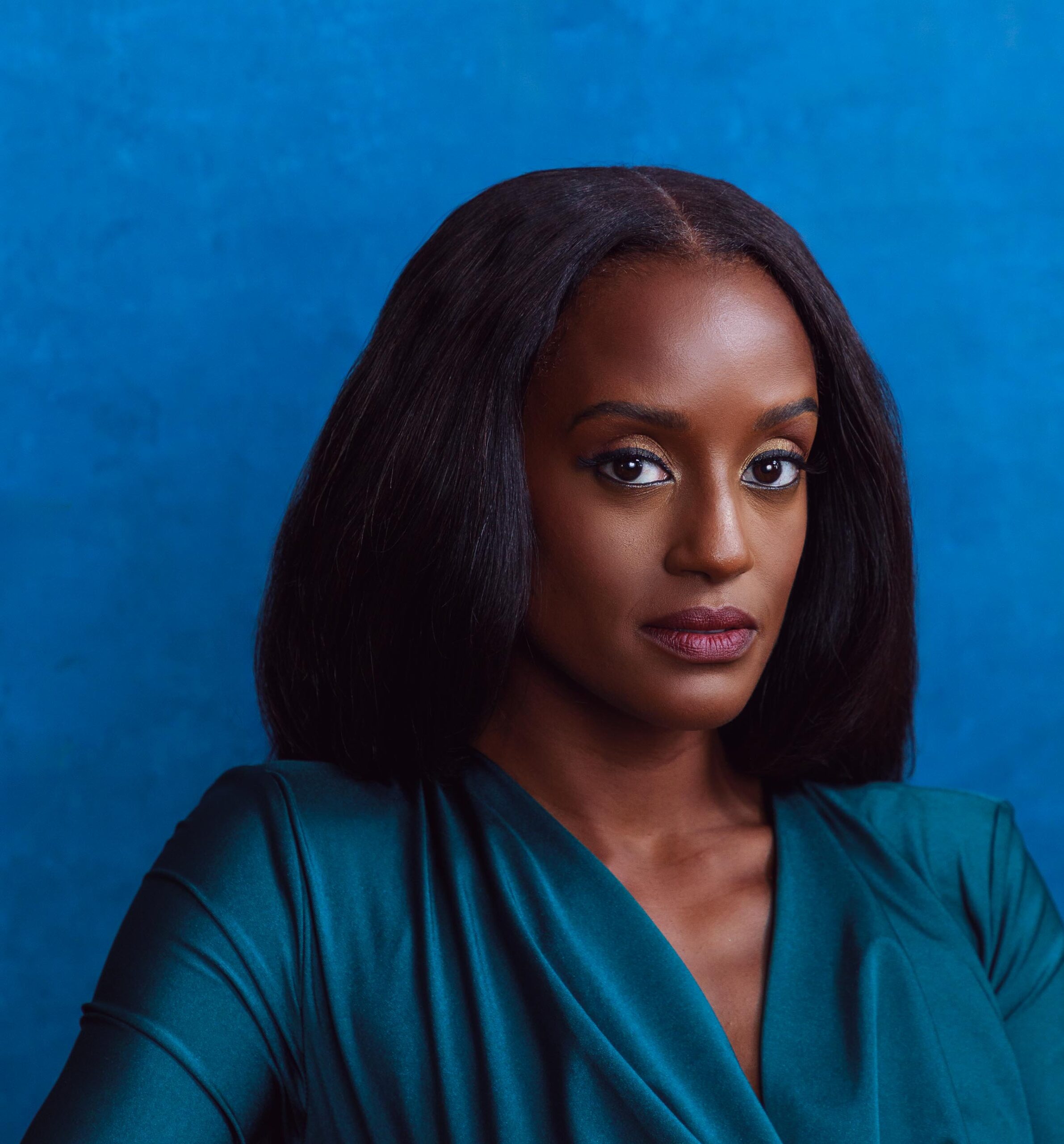
How do you approach bringing authenticity to complex legal roles, and what has that process taught you about the skills and mindset required to succeed in law?
For me, authenticity starts before the legal jargon. It’s about understanding what’s at stake for the person. I look at what they’re protecting, what they’re afraid of, what they’re willing to risk. What I’ve learned is that great lawyers — and great characters — have a kind of disciplined empathy. They can read a room, anticipate moves, and stay 10 steps ahead, but they’re also deeply tethered to purpose. It’s strategy and soul. Precision and presence. And a level of endurance that feels almost athletic.
Storytelling plays a powerful role in shaping public perception. How do you think media portrayals of lawyers influence how younger generations view careers in law?
Storytelling is often the first introduction. Before a classroom, before a courtroom, there’s the screen. So if all we show are power suits and closing arguments, we risk flattening what is actually a very expansive, very human profession. But when we get it right, like Matlock, when we show the nuance, the moral gray areas, the advocacy, the impact — that’s when a young person can see themselves in it. Media reflects possibility.
As the legal profession evolves, what kind of stories or perspectives do you think need more visibility to better reflect the future of law and those entering it?
I’d love to see more stories that center access. Who gets representation, who gets heard, and who’s still fighting to be seen within the system. That means elevating voices that have historically been on the margins. Public defenders, civil rights attorneys, people redefining what justice looks like. Those are the stories that feel urgent to me.
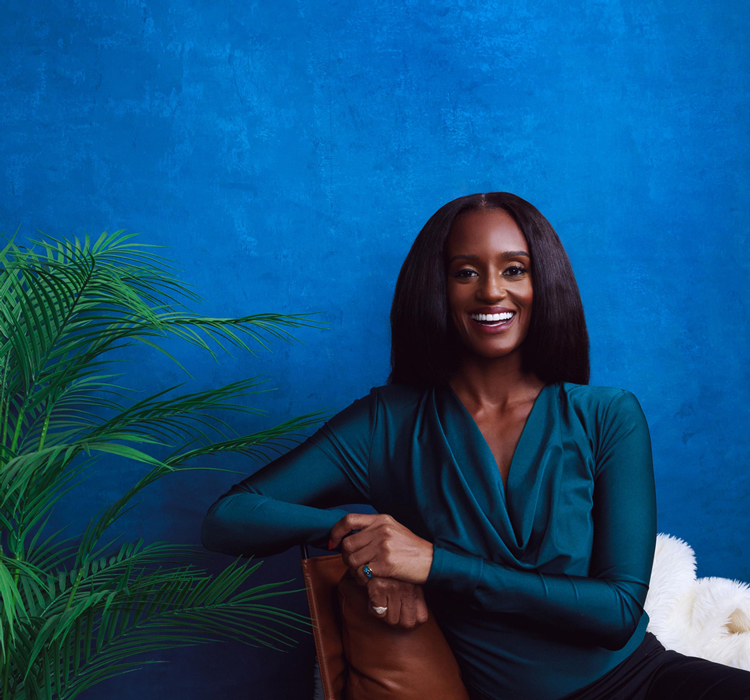
As a woman of color portraying legal professionals on screen, what does representation mean to you, and how do you hope your work influences the next generation of minority women considering careers in law?
Representation, to me, is not decoration, it’s declaration. It’s the difference between imagining yourself in the room and knowing you belong there. When I step into these roles, I carry that with me. Because somewhere, a young woman is watching and quietly recalibrating what she believes is possible for her life. If my work can move that needle, then I’ve done something that extends far beyond the screen.
