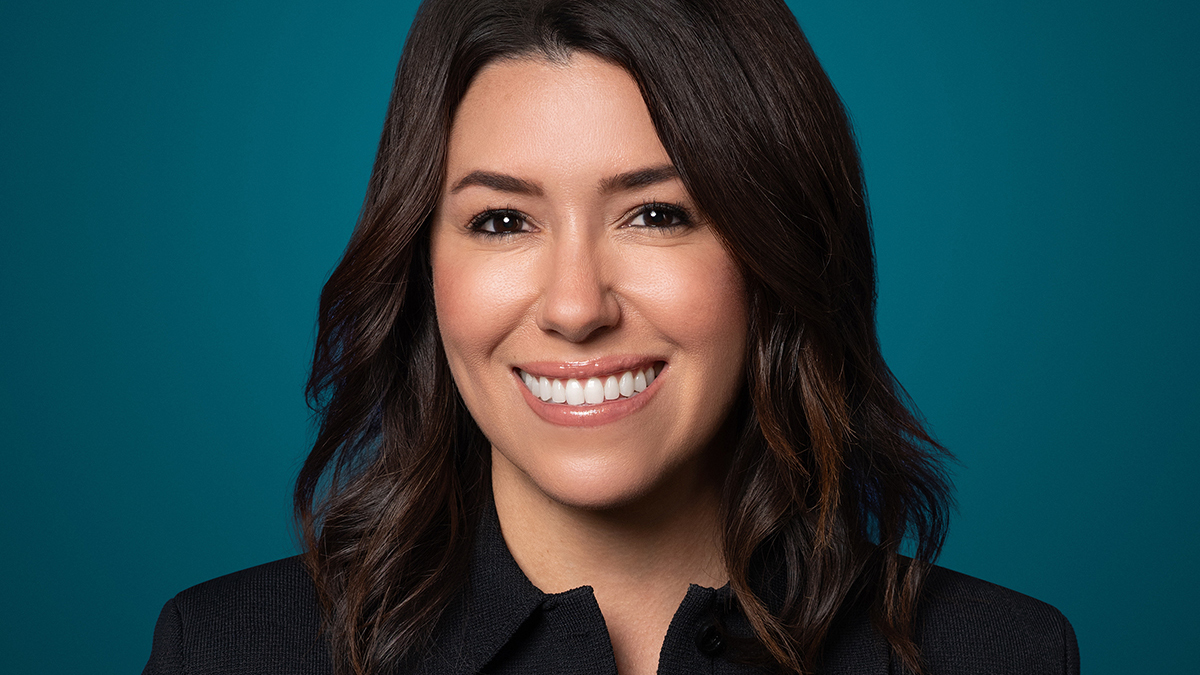
Camille Vasquez has built her career perfecting her craft, and at times it’s put her on the public stage. Staying adaptable, consistent, and forward-thinking in today’s high-visibility media landscape is how she keeps her edge.
You have a strong background in high-stakes legal cases. What are the most common misconceptions young lawyers have about trial work, and how does the reality differ at the highest level?
That’s a great first question. I think the biggest misconception — and the one that’s most disappointing — is that most cases don’t actually go to trial. Especially in high-stakes, high-profile litigation, cases rarely end up in trial.
I know I’m known for a very televised public trial, but the truth is I had been working with Mr. (Johnny) Depp for six years before that on a number of different litigations, none of which ever reached the trial stage.
Given that many trial cases go unnoticed, how should young lawyers approach bringing that work to light?
It’s an interesting question, because trial is the best part of the job — at least for me. It’s what I look forward to every time I take on a new case.
Everything we do throughout litigation is with trial in mind. You’re constantly thinking about how evidence will be presented to a jury, how a judge will interpret it, and even how the court of public opinion will perceive it.
So I think the lens should always be that a case could end up in trial with the world watching. But the reality is most cases don’t get there — and that shouldn’t discourage anyone who is passionate about trial work. Some cases do make it to that stage.
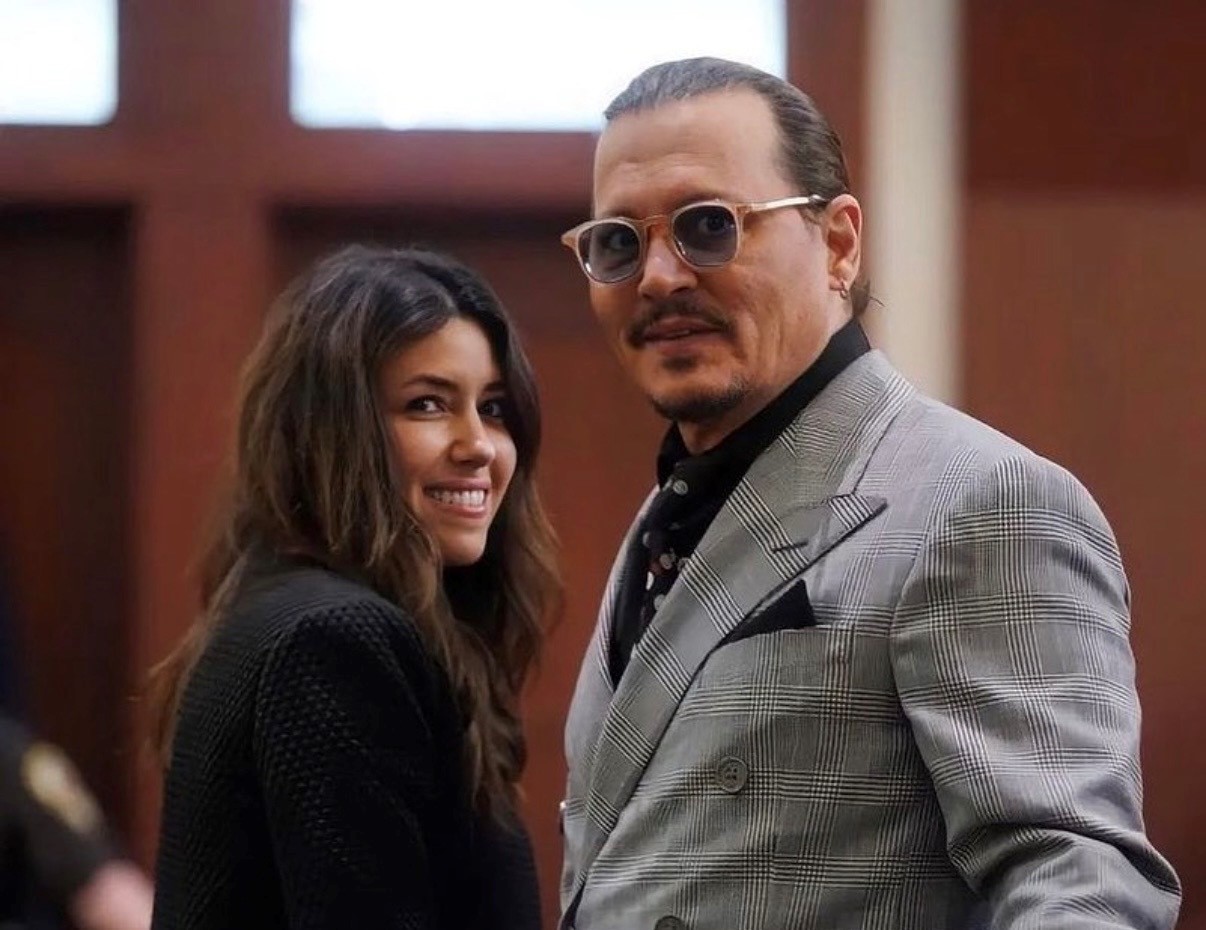
You’ve built a significant public profile through your legal work. How did you approach turning courtroom credibility into a broader platform to reach higher-stakes clients?
I love what I do, and I feel very lucky to be able to represent my clients. After the Depp trial, I had a lot of opportunities to go into TV and do things outside of traditional legal practice.
But when I look at myself, I see an advocate. My focus has always been on being the best lawyer I can be — whether I’m representing an individual, a public figure, or a corporation in high-stakes litigation.
The public profile developed naturally because I stayed focused on my craft. I didn’t chase visibility — I stayed in my lane, and that’s what I would encourage others to do. Follow your passion, because that’s ultimately what leads to success.
As the legal profession evolves, what skills should aspiring lawyers prioritize if they want to succeed in high-stakes litigation?
The world is changing rapidly — not just in law, but across industries. Adaptability is critical. You need to be able to pivot.
There’s a lot of discussion around AI and whether it will replace younger professionals. I think the opposite mindset is necessary — you should embrace new technology, become proficient in it, and use it to set yourself apart.
Beyond that, being a strong trial lawyer means being able to adjust in real time. Not every day in court will go as planned. Even in major trials, there are moments where evidence doesn’t land the way you expect or challenges arise. You have to accept that, pivot, and stay focused on the bigger goal.
How do you see high-stakes trials evolving over the next decade, particularly with the rise of technology and increased public scrutiny? How should young professionals prepare?
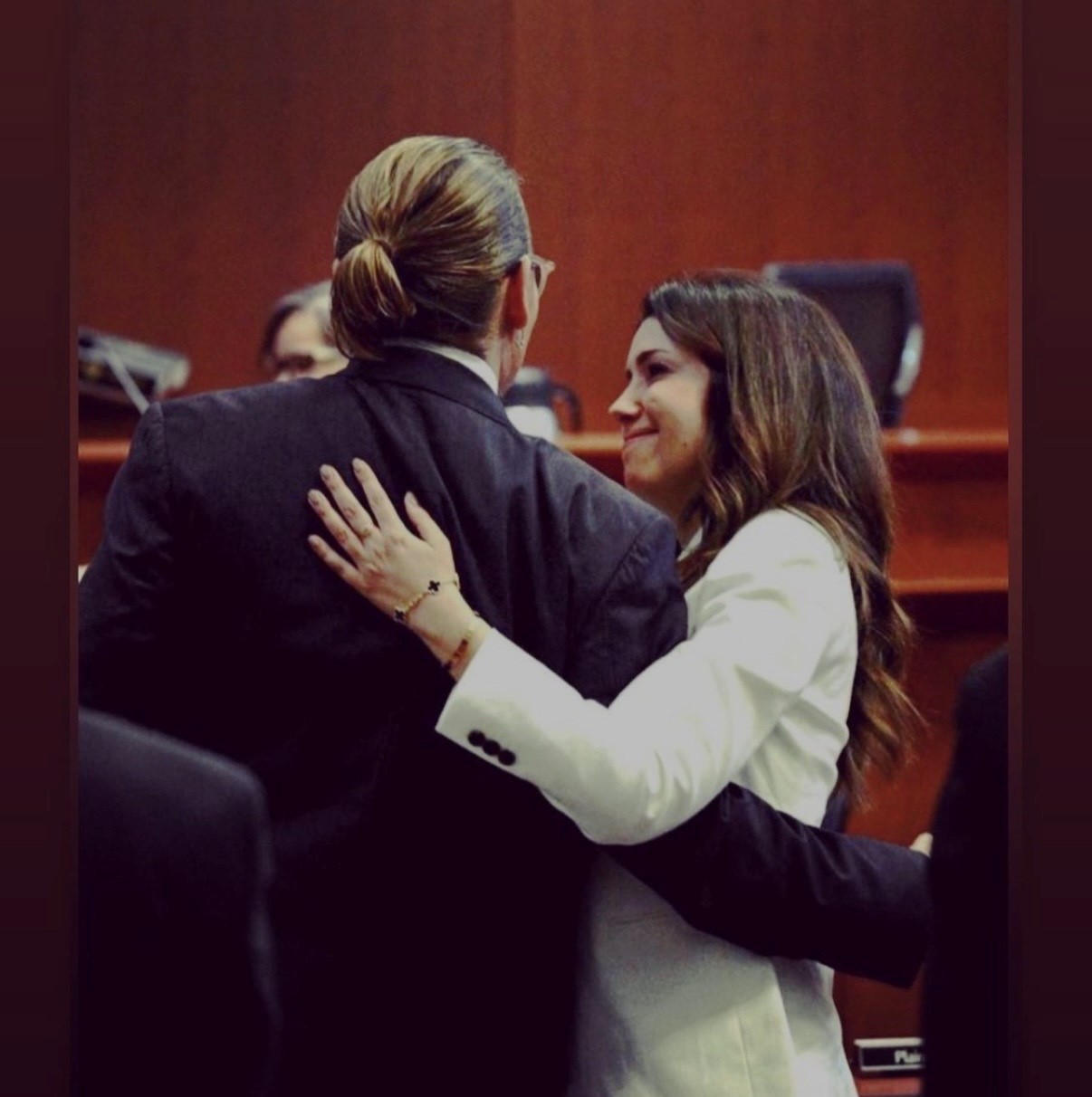
I think we’re going to see more public-facing trials, similar to what happened with Depp. Not just cameras in courtrooms — although I strongly support that — but broader accessibility to the justice system.
People are becoming more engaged and informed. I’ve had individuals tell me they learned legal concepts like hearsay or privilege just by following a case. That level of access is powerful.
At the same time, we’re seeing a shift where not only traditional journalists are covering cases, but also independent creators — bloggers, YouTubers — who are deeply engaged in legal proceedings.
This growing interest isn’t just about celebrity cases; it reflects a broader desire for transparency and understanding of the justice system.
