

With the dawn of a new year ahead, anyone looking for new opportunities can find one in nursing, with a wealth of job openings currently available.
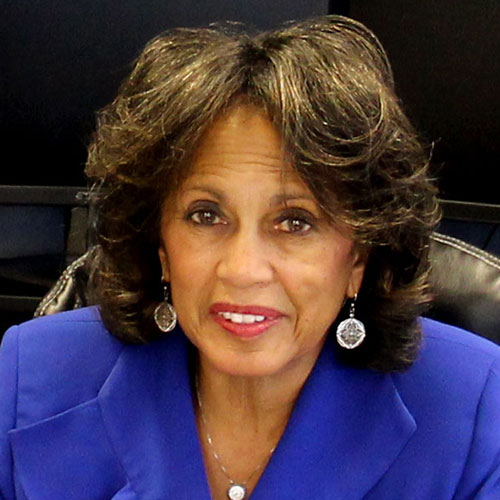
Beverly Malone, Ph.D., RN, FAAN
President and CEO, National League for Nursing
A persistent shortage of registered nurses (RNs) and licensed practical nurses (LPNs) is at the root of nursing jobs going unfilled, caused by:
- An aging nursing workforce, prompting a wave of retirements accelerated by the COVID-19 pandemic
- The increased demand for healthcare by the aging Baby Boomer generation
- Job stress and burnout precipitating workforce exits, particularly by nurses with less than two years of experience
- A shortage of nurse educators, limiting the capacity of nursing programs to admit more qualified applicants
Among the additional effects of too few nurses are higher levels of medication, safety, and other clinical errors, and potential hospital closures in regions with the lowest ratio of nurses to patients. For example, in June 2023, there were nearly 300 rural hospitals at risk of immediate closure. Texas and Kansas led this trend, with 29 of their hospitals facing imminent shutdown.
Both states’ widely dispersed populations meant that the loss of vital healthcare infrastructure would have a devastating ripple effect on local economies, in addition to threatening healthcare access for some of society’s most vulnerable. So, how to address these multiple challenges?
Encouraging more nurse educators
One obvious approach to expand the nursing workforce is to hire more nurse educators to prepare a greater number of nurses for practice. While this goal may sound simple, in reality, it is hard to achieve, given budget constraints and the lack of state, federal, and local funding to support clinical nurses desiring to transition into education.
Still, there are so many rewards that come with a career in nursing or nursing education — or both. Yes, it’s more than possible to combine the daily satisfactions of clinical practice with the long-term fulfillment inherent in teaching, mentoring, and preparing outstanding practice-ready practitioners. That remains true whether you become an instructor in academia exclusively or a clinical nurse educator, supplementing your own nursing practice in an academic medical center.
Nursing itself has become a multi-dimensional field with a number of career pathways, including advanced practice roles. Specialties like nurse-anesthetist or doctor of nursing practice (D.N.P.) often come with welcome higher paychecks and professional status.
Plus, with nurses now providing more of the frontline preventative care and chronic disease management in community clinics and through non-traditional healthcare settings, a variety of job opportunities may provide scheduling flexibility that’s compatible with family responsibilities.
Nursing education offers an incredible opportunity to engage in research that has the potential to transform the educational landscape for generations. Nurse educators, with their scholarly expertise, are also often at the forefront of nursing and community leadership, tapped to consult in the highest circles of government, public policy, nonprofits, and industry.
The sky is the limit. Consider exploring the possibilities of nursing and nursing education, while helping resolve one of today’s most urgent crises: too few healers to provide the healing.
