

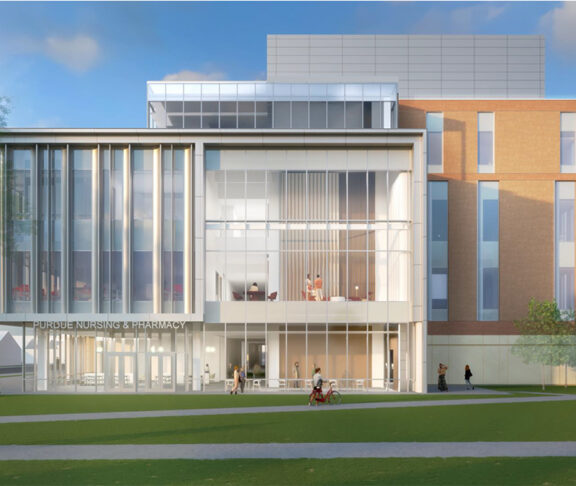
The next generation of nurses will need to master not only clinical skills, but also technology, compassion, and cultural awareness.
Across the country, the nursing profession stands at a pivotal moment. Hospitals and communities are grappling with workforce shortages, an aging population, and rapid technological advances that are redefining how healthcare is delivered. The nurses of tomorrow must be clinically skilled, culturally aware, and technologically fluent — ready to care for patients with both competence and compassion.
To meet this demand, nursing education is undergoing a transformation. Programs and nursing educators nationwide must reimagine how students learn, practice, and collaborate, weaving innovation and inclusion into every aspect of training. Simulation labs, artificial intelligence, and virtual reality are no longer optional enhancements — they are essential tools that prepare nurses to deliver safe, effective, and equitable care in an increasingly complex health system.
Leading the way
One school helping lead this transformation is Purdue University’s School of Nursing, where innovation is shaping what it means to prepare tomorrow’s healthcare professionals. With the new Nursing and Pharmacy Education Building scheduled to open in spring 2027, Purdue will unite students, faculty, and research under one roof. The four-story facility is designed for collaboration and connection, featuring modern classrooms, study spaces, and simulation environments that replicate real-world medical situations.

Libby Richards, Ph.D.
Interim Head and Professor, Purdue University School of Nursing
“Our goal is to create a space that feels like an academic home — comfortable, collaborative, and equipped for the future of healthcare,” said Libby Richards, interim head of the School of Nursing.
Technology is central to this vision. The building will include advanced simulation systems and immersive virtual and augmented-reality labs, allowing students to practice complex procedures and develop clinical judgment in a safe, hands-on environment. Through programs like The Heart Through Virtual Reality, nursing students can explore the inner workings of the human heart — watching chambers contract and valves open in real time to deepen understanding of cardiac care.

Representation matters

Julian Gallegos, Ph.D.
Assistant Head for Graduate Programs and Assistant Professor, Purdue University School of Nursing
Purdue’s innovation also extends to representation within the profession. Faculty member Julian Gallegos leads initiatives to recruit and support men in nursing, encouraging representation and mentorship through Purdue’s chapter of the American Association for Men in Nursing and his research focus on men’s health. “We need to ensure that all students see themselves reflected in this profession,” Gallegos said.

Tyson Magee
Doctor of Nursing Practice Student, Purdue University School of Nursing
Research within Purdue’s School of Nursing reflects this same forward momentum. Doctor of Nursing Practice student Tyson Magee is studying how AI-generated exercise plans can improve patient engagement and outcomes. “AI won’t replace the nurse,” Magee said. “But nurses who understand it will deliver more individualized care.”
When the new building opens, Purdue Nursing expects to expand enrollment to help address critical workforce needs across Indiana and beyond. The investment underscores a lasting commitment to preparing healthcare professionals who merge innovation with empathy — defining not only the future of nursing education, but the future of care itself.
To learn more, visit hhs.purdue.edu/nur
