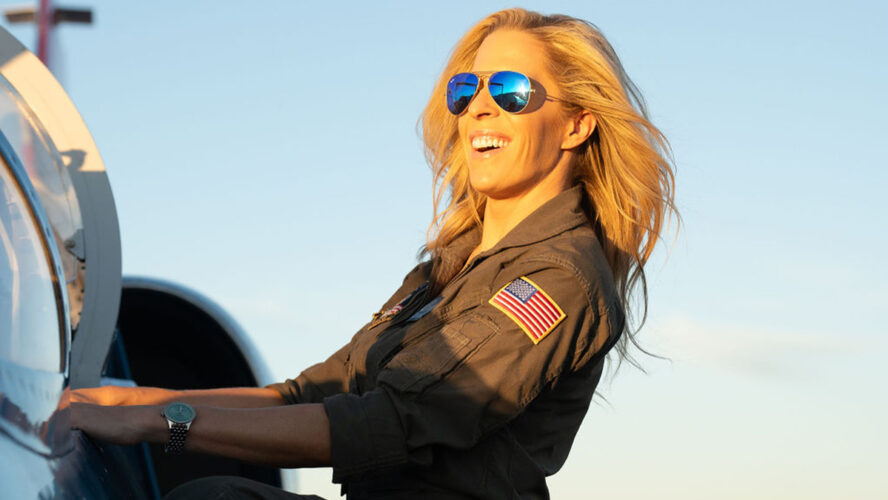
Stephanie Goetz, multi-certified pilot, instructor, and former news and sports anchor, shares her journey and insight into what it takes to be a knowledgeable pilot and effective leader in aviation.
What sparked your interest in aviation, and was there a specific moment when you realized you wanted to become a pilot?
Aviation was never on my radar. I never dreamed of being a pilot or knew that was possible for me. I wanted to be a professional tennis player or singer when I grew up. No one in my close family is a pilot; I was never around it growing up. I went down the path of broadcast journalism and became a news and sports anchor and reporter at NBC, CBS, and ABC affiliates in the U.S.
It wasn’t until I got a call from a seasoned flight instructor, when I was a news anchor at NBC, saying I should do a story on aviation. I agreed, not knowing what was about to happen. The flight instructor had me fly the Piper Archer we were doing the story in. I had the controls as we lifted off for the first time, and the second the wheels left the ground I thought, “Where has this been all my life? This is incredible!” I fell in love immediately and got the aviation bug. My very first flight lesson was broadcast on NBC TV. Quite the way to start my aviation journey!
It wasn’t until five years later that I had the time and money to be able to pursue my flight ratings. Once I did, I went full throttle. In about a year in a half, I went from my private pilot certificate through all the primary ratings through CFI (Certified Flight instructor), MEI (Multi Engine Instructor), and through a jet type rating (CE500). I didn’t let any grass grow under my feet. I now have five jet type ratings, and I fly the L-39 Albatros (Czech military trainer jet), Bombardier Global 6000, Cessna Citation V business jet, and piston aerobatic airplanes.
What skills or habits have been most important in helping you succeed as a pilot?
Perseverance. Flight training can be difficult, long, and arduous. It can feel like you’re never going to understand the concept or maneuver, or you won’t have enough time to master the necessary skills before the checkride. But you always do. Being able to push past doubt or frustration and persevere through setbacks is key in succeeding on your flight journey.
Ability to remain calm under pressure. This one is built over time. It develops as you build the necessary knowledge-base of your airplane, aeronautical decision-making, and seeing varied flight situations. But even newbies can have this skill. The more you know the systems of the airplane and what to do in an emergency, the more you will rely on that knowledge and training versus giving in to fear and uncertainty. The calmer you are, the more easily you will be able to get through any abnormality and emergency safely.
Adaptability. Flying is one of the most dynamic environments you’ll encounter. No two flights are the same, even if you’re going to and from the same location. The ability to recognize this will keep you sharp on each flight and not become complacent — which is dangerous when flying. Being able to adapt to changing flight conditions or changes in the initial plan in the name of safety is key for safe and successful flights. It also helps pilots stay safe by being willing to change the plan if the flight conditions warrant not flying that day for safety reasons.
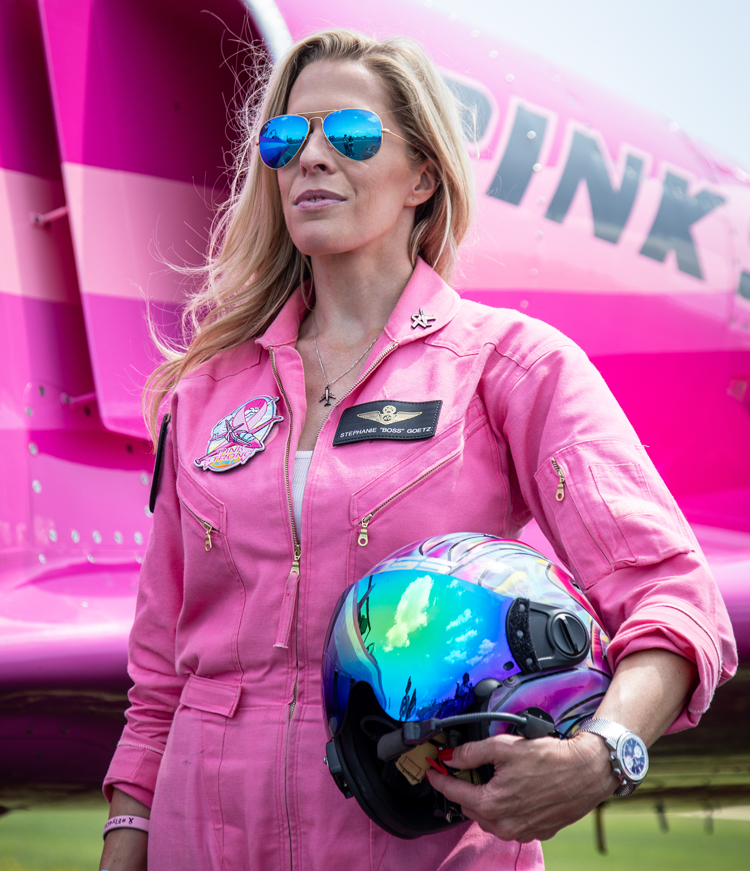
How do you define leadership, and what lessons have you learned leading others in aviation?
Leadership has many meanings and takes many forms. I believe a good leader is someone who positively influences a situation and works together with others towards a common goal. They are someone who inspire people and take responsibility for their actions and outcomes. A leader can lead from any seat: captain, first officer, flight attendant, mechanic, line personnel, and beyond. I’ve learned that those who lead well are those who listen to others’ input, have humility, put others first, and aren’t afraid to take a stance. They also create consensus versus divisiveness. And they always believe there is a solution for any problem. That’s key for pilots. We are often on the road by ourselves having to complete a mission in ever-changing conditions. That can be difficult.
But those who are good leaders use all the available resources to make the best and safest decision for the situation. They lean on others, look to others’ expertise when their own isn’t enough, and they are decisive. A leader doesn’t have to have a title. They have to have the right characteristics and actions to positively influence a situation or outcome. I’ve also learned that the more we think we know, the more there is to know. Aviation is a license to learn. There will always be something new and additional to learn. Those who have the humility and zest to learn become great aviators and leaders because they have a broader perspective and understanding of all aspects of flying and beyond that contribute to a safe and enjoyable experience.
Are there emerging roles in aviation or aerospace that you think young professionals should be aware of?
Whether they’re emerging roles or ones that have been there for decades but haven’t been as prominent, there are so many varied career paths in aviation. It goes well beyond flying the airplane from point A to point B. There are roles such as air traffic controller, flight attendant, mechanic, flight test pilot, FBO personnel, aviation journalist, aircraft broker, flight dispatcher, aerospace engineer, administration, flight paramedic, aircraft design engineer, and many more. The key is figuring out what lights you up and what you love to do, then designing a career that matches with that. There are other careers within aviation that are very rewarding such as marketing, legal, financial, HR, and more. If you’re fascinated by flight but don’t feel you want to be a pilot, start looking into the other equally as important roles in aviation that speak to you. You will find something that fills you up and fuels your love of aviation at the same time.
How can women and other underrepresented groups best prepare for and navigate careers in this industry?
I believe women and underrepresented groups can have an incredibly rewarding and fulfilling career in the aviation industry. There have been major strides made to be more welcoming and supportive of underrepresented groups in aviation and aerospace. There’s still a ways to go. Women and underrepresented groups should also be prepared for challenges along the way that are more specific to them. I have experienced a mostly welcoming aviation industry with supportive counterparts. What I have also experienced is an archaic way of thinking by some that question some group of people’s ability in the flight deck or marginalize your qualifications for no reason other than their gender or skin color. This can be exhausting when these people are working just as hard and are just as — or more — qualified as any other group.
I believe we have the opportunity to open our eyes to and examine our own unconscious bias as to what a pilot or professional looks and should be like. We need to realize that aviators will come in all shapes, sizes, backgrounds, skin color, and gender. These qualities aren’t what determine if someone is a good or qualified pilot. What determines that are a person’s flight knowledge, flying abilities, stick and rudder skills, and decision-making skills. Finding mentors, support, and your team that will guide you is key in navigating the industry successfully. I wouldn’t be where I am today without the countless people who have been with me through varying parts in my aviation career. It’s vital to your success. You can’t do it alone. Being a good colleague, mentee, friend, and fellow pilot goes a long way in building your ideal aviation path — and building a community that supports you.
