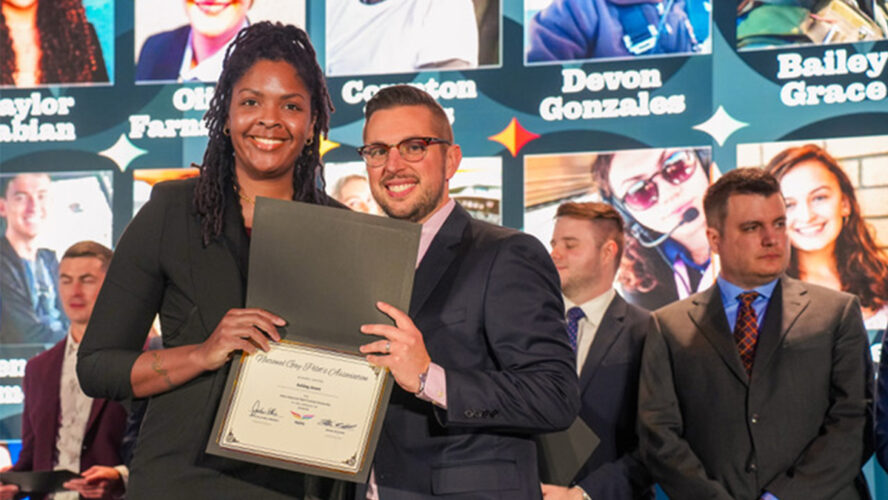
Aviation careers span far beyond the flight deck. Whether pursuing piloting, maintenance, operations, or business roles, students complement their training with strong networks and mentorship.

Jared Hill
Contributing Member, National Gay Pilots Association (NGPA)
Choosing to pursue aviation as a career is both exciting and overwhelming. For students, the first challenge is deciding where and how to start.
When I first started exploring aviation, I remember how intimidating it felt to compare programs and schools. Reputation, location, and cost all factored into my decision. But equally important were mentorship opportunities and whether I could see myself, as a member of the LGBTQ+ community, thriving in that environment. Finding my sense of belonging mattered as much as finding a curriculum.
Be part of the conversation
Prospective students should look beyond the glossy brochures of university, college, and flight school programs to ask critical questions:
- How strong are the school’s industry connections?
- Do they offer internships with airlines, airports, or corporate operators?
- Are there active student chapters of any organizations that resonate with you?
Representation and inclusion matter, too. For example, groups like the National Gay Pilots Association (NGPA), the Organization of Black Aerospace Professionals (OBAP), Women in Aviation International (WAI), the Latino Pilots Association (LPA), and the Professional Asian Pilots Association (PAPA) each help aspiring professionals build both career skills and community. These networks not only create visibility but also provide mentorship and advocacy that complement classroom learning.
Internships and mentorship programs are particularly vital. They bridge the gap between academics and the realities of professional aviation. Justin Ellixson-Andrews, Executive Director of the NGPA, notes that his own career path shifted dramatically thanks to networking. He says, “I was a first-generation college student and aviator. Networking and mentors made the difference. Every position I’ve held came through connections.”His advice mirrors what many seasoned professionals stress: Build your network early, seek out mentors, and don’t be afraid to ask questions. Being part of groups and organizations can mean the difference in having someone to connect with before a major evaluation and/or offer first-hand experience navigating similar challenges.
School, mentors, and community make a difference
Students should also prepare for the challenges of a competitive, cyclical job market. Financial literacy, strong resumes, and interview skills are as vital as technical training — yet often overlooked.
Ultimately, the path from student to aviation professional is about more than technical knowledge. It’s also about resilience, adaptability, and connection. My own journey has been shaped by those who reminded me I belonged in aviation, even when I doubted myself.
