Two early childhood education experts share what they believe matters most in the earliest years of learning, and what it will take to set up the next generation for lasting success.
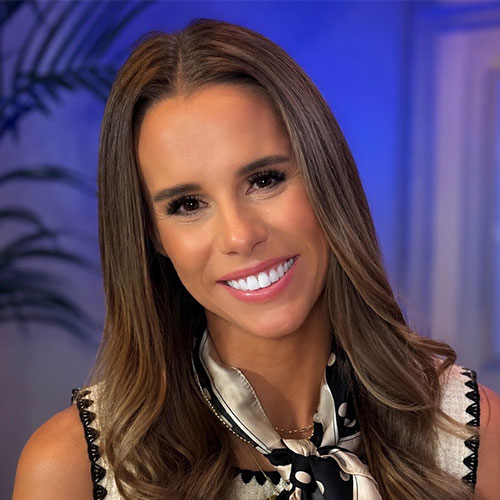
Lisa Elaine Peters
Content Creator, Mrs. Peters’ Class
What are the most important things educators and parents should prioritize today to build a strong foundation for lifelong learning?
The biggest thing I want both educators and parents to remember is that relationships come first. Children learn best when they feel safe, loved, and capable. We also need to prioritize strong foundational skills instead of rushing ahead. In my classroom, I spend a lot of time building oral language, phonological awareness, and a deep understanding of letters and sounds, because those are the skills that make everything else possible.
What changes or innovations in early childhood education do you believe have the greatest potential to positively shape the next generation of learners?
One of the most exciting shifts in early childhood education is the growing emphasis on the science of reading and evidence-based instruction. We’re learning more than ever about how children become successful readers, and that’s allowing teachers to provide instruction that’s both engaging and effective. When we combine research-based practices with joyful, hands-on learning, we’re giving children the confidence and skills they’ll carry with them for years to come.

Sara A. Schmitt, Ph.D.
Bricker-Squires Faculty Chair in Early Intervention, University of Oregon
What are the most important things educators and parents should prioritize today to build a strong foundation for lifelong learning?
In early childhood, educators and parents should prioritize the skills that support lifelong learning, especially self-regulation and social-emotional competence. Research consistently shows that these early abilities predict school readiness and academic success throughout life. Children who can sustain attention, adapt to changing rules, follow multi-step instructions, and collaborate with peers are better equipped to benefit from adult instruction. Adults can nurture these skills in several ways: modeling appropriate behavior, offering direct instruction — such as teaching emotion vocabulary and calming techniques — and playing stop-think-act games like “red light, green light” to build impulse control and self-awareness.
What changes or innovations in early childhood education do you believe have the greatest potential to positively shape the next generation of learners?
The single most impactful change we could make for our youngest learners is to invest in the early childhood education workforce. Despite working with children during the most critical and malleable period of brain development, early childhood educators remain chronically underpaid and undervalued. Elevating this profession — through better compensation, training, and professional respect — would strengthen the educational foundation for every child in the early education system.
