

The college application process is often overwhelming, but admission criteria is changing to meet students where they are. Research shows a favorable trend toward overall college acceptance, as well as new admission models positioning students for success.
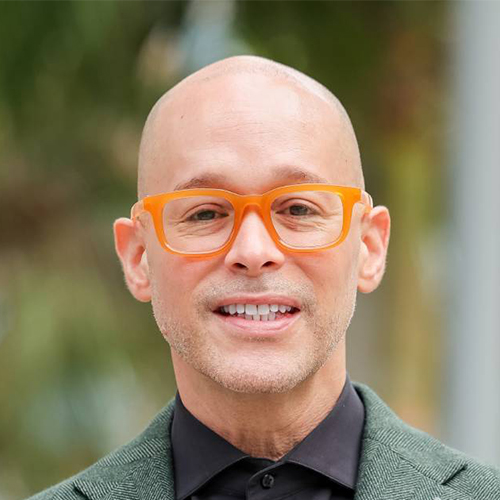
Angel B. Pérez
CEO, National Association for College Admission Counseling (NACAC)
I wasn’t supposed to go to college.
I grew up poor in Puerto Rico and the South Bronx of New York City. My parents didn’t go to college. In fact, I was the first in my family to do so. The odds were stacked against me.
But then, I had a life-changing moment. A school counselor at my high school recognized my potential, tapped me on the shoulder, and said, “Have you ever considered going to college?”
The rest is history.
I know the college-application journey is daunting. You’re likely anxious and doubting if you’ll get into college — let alone your dream school. I’m here with some good news: Getting into college is easier than you may think.
Positive trends
I lead the National Association for College Admission Counseling (NACAC), the world’s largest association for college counseling and admission professionals. Today, we have about 28,000 members. Our research shows a couple of key takeaways:
- Only 33 institutions in the country accept 10% or less of the people who apply to them. Almost all the others — and there are around 2,600 four-year colleges and universities in the United States — accept at least half of their applicants.
- Private universities accept, on average, 7 in every 10 applicants. Public universities accept nearly 8 in every 10.
The bottom line? The odds are in your favor.
Further, we’re seeing direct admission take hold in our country. More than 20 states so far have invested in this model, where high school students who meet certain criteria are guaranteed admission to state colleges and universities prior to ever applying. The majority of colleges and universities also now have test-optional policies, meaning it’s not required that you take the SAT or ACT.
Opportunities within reach
Overall, higher education is undergoing a transformation. Rather than measuring the success of an institution by how exclusive it is, there’s a growing movement to measure the success of an institution by how many students it serves. After all, we know that going to college has life-changing benefits: Graduates earn an average of $1 million more in their lifetime compared to those who only earn a high school degree. Why wouldn’t we measure success by how many people achieve this great economic mobility?
At NACAC, we know how stressful the college admission journey can be. Our research shows that more than half of students don’t even apply to their dream school for fear they won’t get in. Further, more than half of students feel that completing their college application was more stressful than anything else they’ve done before academically.
Take it from me — a poor Puerto Rican boy who was never supposed to go to college. I know it may feel overwhelming, but I assure you: Colleges want you to attend, and the odds are in your favor.
