

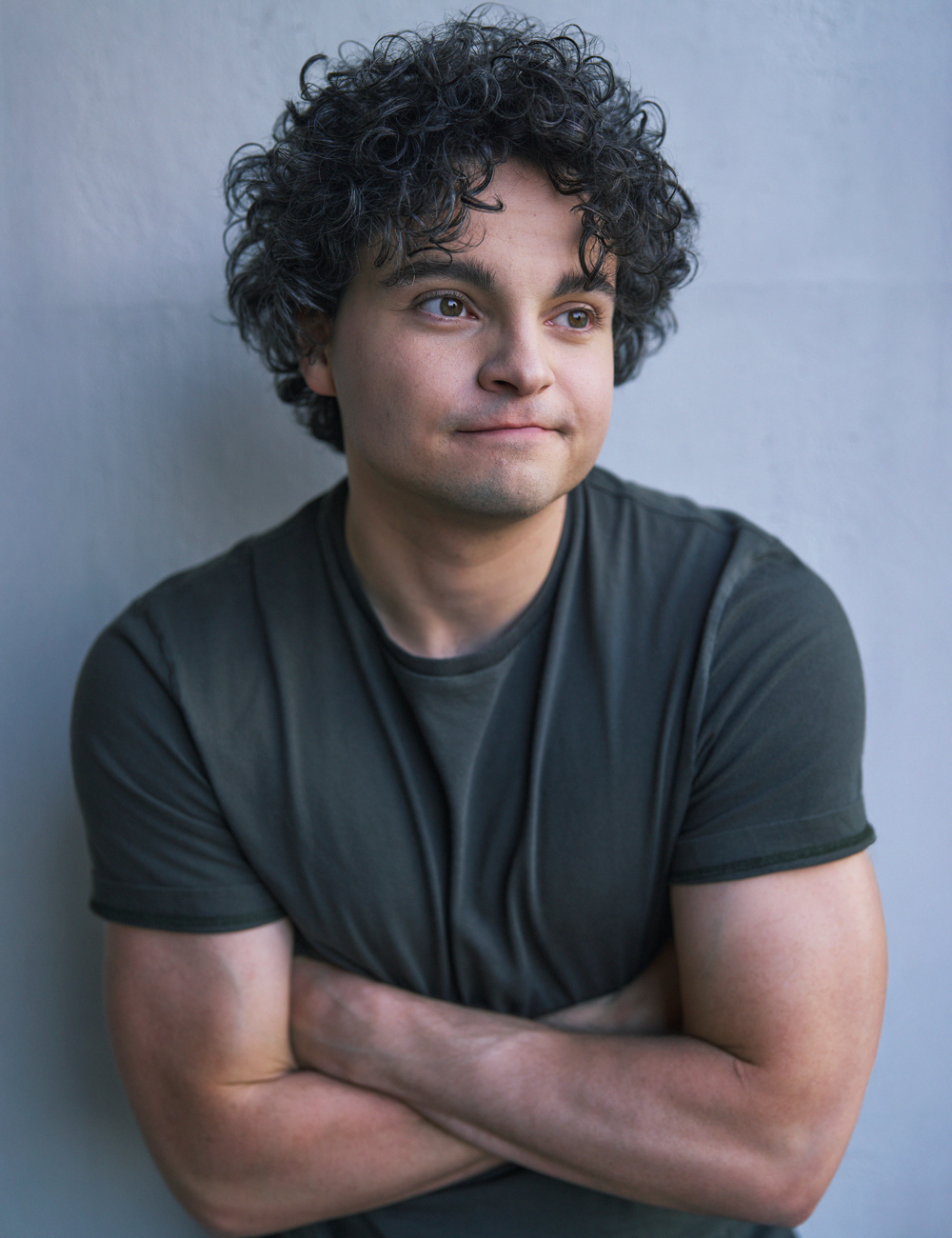
Max Burkholder is no stranger to studio sets, currently acting in Peacock’s comedy series “Ted” as a student growing up alongside his talking teddy bear best friend. Burkholder reflects on his own student career and what real-life skills matter most.
How did you balance pursuing your career with planning for your education, and what did “being prepared” mean to you during that time?
I would not call my particular high school/college application experience a study in “balance.” I largely spent my time working, whether as an actor or in school, and what little free time remained was spent trying to grab every brass ring available, whether academic or extracurricular. This is a schedule and pace of life that will unfortunately be all too familiar to many readers, especially those attempting to gain acceptance to so-called “top-tier” universities.
Many of you will find the very idea of “balance” to be a joke. At the time, “being prepared” had absolutely nothing to do with the college experience itself and had everything to do with the application process. The blinders this experience can put on you made it difficult for me to find a balance in my schedule — both during college and after.
In your own journey to college, was there anything you could relate to John about as we see him prepare for college in season two?
Can I relate to John about college? In the broadest, most thematic way possible, yes. In specifics? Not at all. I do identify with the idea of authority figures communicating to me that prestigious universities were the be-all and end-all — to the point where I couldn’t distinguish whether or not that desire was even my own.
For students who may feel overwhelmed by the pressure to “figure it all out” before college, what advice would you give about exploring interests while still making practical, informed decisions about their future?
To refer back to my first answer, I agree that there is a lot of unnecessary pressure put on high schoolers during the admissions process. I think there’s a perception of high school as preparation or practice for the “real deal” that is college, which I agree with to a certain extent, but I feel like people are often given the wrong messaging about what this really means.
Besides the resume-boosters and achievements, I think it’s good to utilize your time in high school (as much as your administrative and familial systems will allow) building the real-life skills of listening to your own instincts about energy, rest, burnout, and overwork. The more you “practice” punishing and overworking yourself in high school, the more these “skills” will become second nature to you in college and adulthood and difficult to break out of.

From your perspective, what conversations do you think parents and students should be having earlier to make the process less stressful and more transparent?
For one thing, I think parents, students, and teachers should be having real conversations about: A) the lifestyle balance of students both in high school and after high school and B) true discussions about whether college is the right choice, even if the particular student can afford it with relatively little burden.
Looking back, were there mentors, teachers, or counselors who played a key role in helping you navigate important academic or career decisions? What made their support impactful?
Too many to count — all the way back to elementary school. Mr. R., Mr. Enright, Ms. Sagardia, Mrs. Walla, Professor Bernard. I must be forgetting a lot, but these are the ones that come to mind for me right now. These are all people who met me where I was and adapted to me in the same way that students have to adapt to their teachers; the way people simply have to do for each other.
How can students define success on their own terms while still making smart choices about education, financial responsibility, and long-term goals?
I’ll tell you when I figure this one out! With education, housing, health care, and overall population investment in this country being what it is, the simple reality is that prioritizing your own financial future over all else can’t be said to be a bad choice to make. Whether this means eschewing college entirely, going to trade school, becoming a consultant…these are all viable paths, certainly. I can’t tell anyone which of these things to pursue. The balance one always has to strike is between their goals (whether financial or personal) and their values.
The advice I would give on defining success in your own terms would be to try and make sure, with every big decision, that those variables are aligned in the same direction.
