
As literacy instruction evolves amid low U.S. reading proficiency, teacher training at William & Mary (W&M) highlights hands-on classroom experience and community-based collaboration.
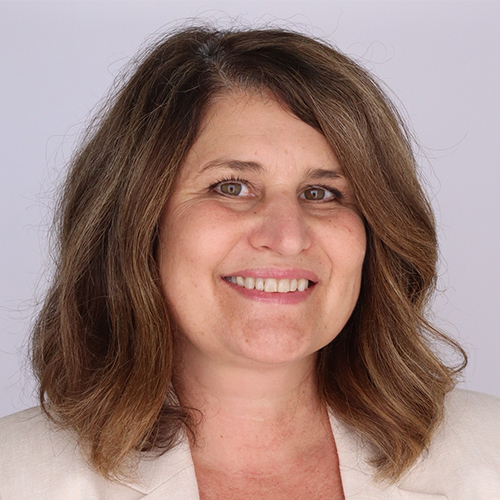
Kimberly Richards-Thomas
Director of Communications, William & Mary School of Education
Despite reform efforts, recent data suggest that nearly 40% of fourth graders in the American public school system still read below a basic level of proficiency.
“We believe educators are best prepared when they learn at the intersection of research and practice,” said Lindy Johnson, W&M Curriculum and Instruction Department chair and associate professor of education. “Led by nationally recognized faculty, literacy programs at W&M are preparing teachers and leaders to make a meaningful difference in children’s lives through collaborative partnerships with schools and innovative clinical instruction.”
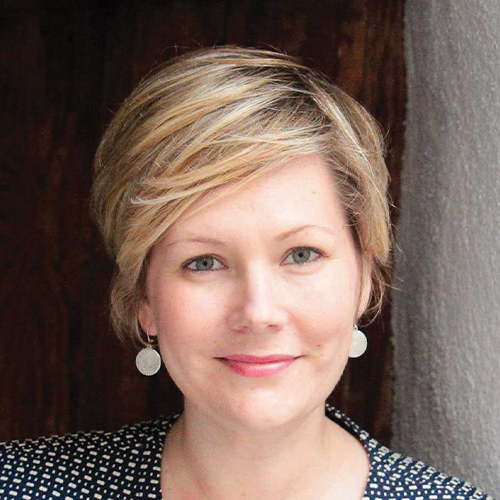
Lindy Johnson
Curriculum and Instruction Department Chair and Associate Professor of Education, William & Mary School of Education
Literacy for today’s learners
As schools adapt to the Science of Reading, educators must master new methodologies while also responding to the diverse needs of today’s learners.
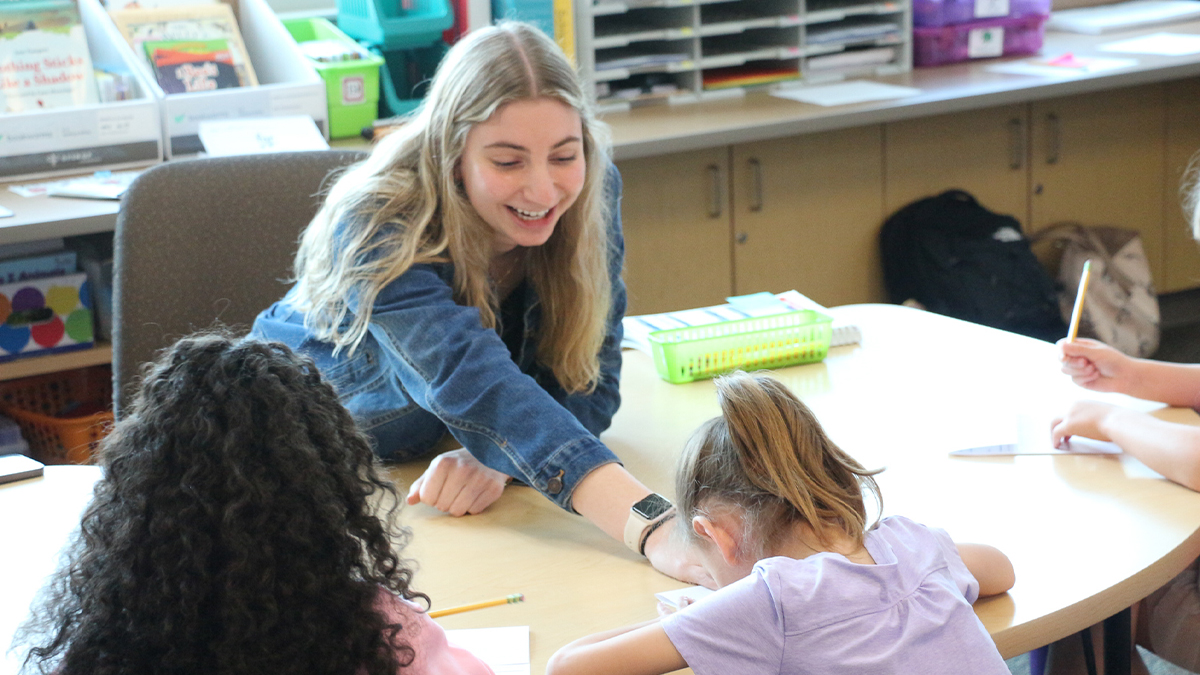
Merging research and practice, an innovative lab model brings undergraduate reading instruction into a local elementary school. This immersive experience allows W&M Elementary Education students to participate within the K-5 school setting. Students observe exemplary teachers, collaboratively plan lessons, and then practice teaching with oversight and coaching from clinical instructor of Literacy Education Tamara Williams.
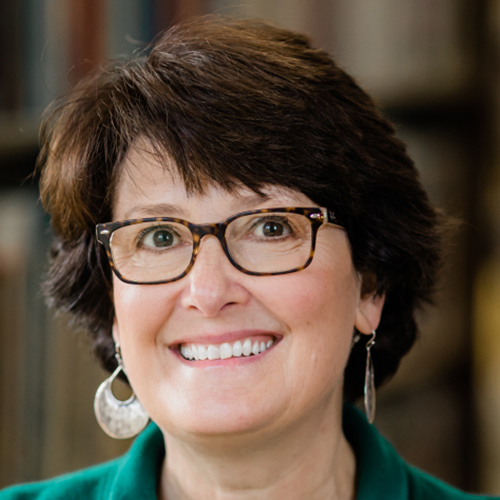
Tamara Williams
Clinical Instructor of Literacy Education, William & Mary School of Education
“The setting of our Literacy Methods course exponentially increases the opportunities our students have to teach face-to-face,” Williams said. “The learn-observe-teach-reflect cycle has afforded our preservice teachers the chance to try out instructional strategies, add to their ‘teacher toolboxes’ daily, and strengthen their teaching literacy self-efficacy. The results are stronger preservice teachers who are ready to meet the needs of diverse learners.”
Alex Zaccardelli, one of the first students to participate in this model, said the Literacy Methods course was essential to his understanding: “The experience helped me not just intellectually understand how to teach, but viscerally feel what it is to teach effectively.”
Translating research into practice
A core belief at the W&M School of Education is that research should live beyond academic journals and inform daily teaching. The School of Education’s Literacy Lab embodies this commitment by serving as a bridge between scholarship and classrooms. The Lab offers family literacy nights, professional development, and research opportunities for students.
The Literacy Lab’s Translating Research Into Practice (TRIP) Fellowship makes the latest research accessible. TRIP Fellows produce consolidated research summaries on topics ranging from vocabulary and writing to adolescent literacy and intervention. Their one-pagers are easily digestible and freely available online for the public.

Kristin Conradi Smith
Associate Professor of Reading Education and Co-Director of the Literacy Lab, William & Mary School of Education
“We created the TRIP Fellows program not only to make research more accessible to educators, but also to help build literacy leadership capacity,” said associate professor of reading education Kristin Conradi Smith. “Too often teachers lack opportunities for leadership once they’ve earned their graduate degrees. Our TRIP Fellows are smart, curious and engaged educators. Together, we are consuming the latest research and thinking through how to best share it with teachers.”
In addition to creating open-access research summaries, the Literacy Lab will soon be launching free virtual showcases demonstrating exemplary techniques and practices.
Leading the future of literacy education
As literacy instruction evolves, educators committed to evidence-based practice and collaboration will help ensure that more children develop the reading skills they need to succeed in school and beyond. Through immersive clinical experiences, research-practice partnerships, and leadership opportunities, William & Mary’s literacy programs are equipping educators to address one of the nation’s most pressing educational challenges.
To learn more visit education.wm.edu/literacy
