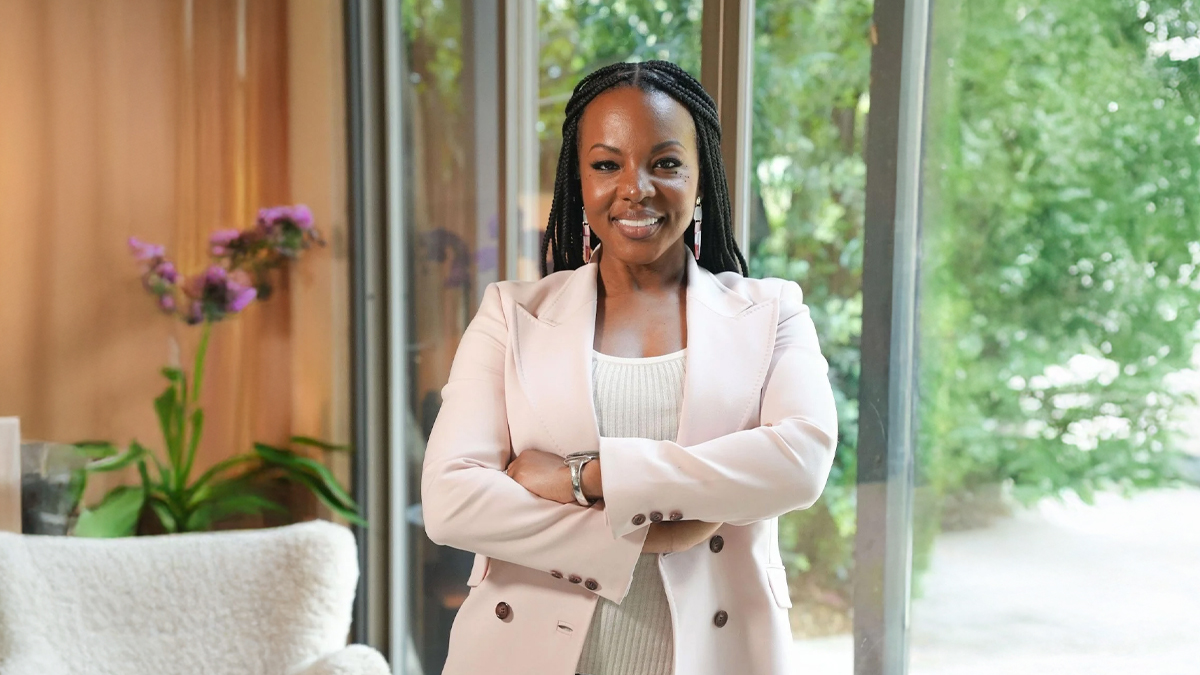
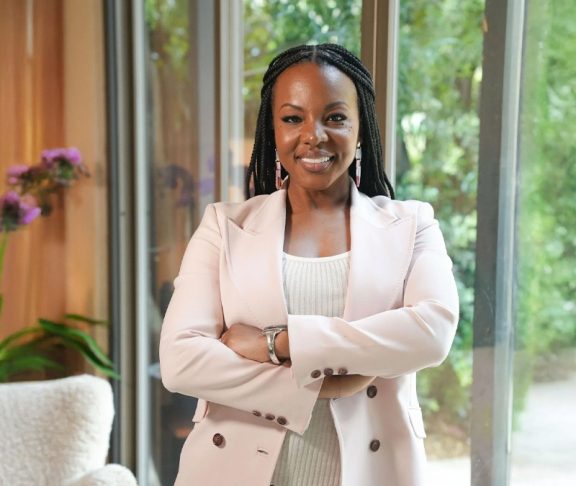
Diversity and inclusion expert and children’s literacy advocate Charnaie Gordon, creator of @hereweread, discusses representation, resilience, and what makes shared reading truly meaningful.
How can families use books to help children feel seen and valued, especially when they don’t often see themselves represented in stories?
When kids rarely see themselves in stories, I think families must be more intentional. That can look like actively seeking out books by authors from similar backgrounds, stories that reflect their culture, their neighborhoods, their families, and even their everyday joys. Research has shown that when children see themselves represented in books, it can boost self-esteem and engagement with reading. To be clear: This is not about finding one book and checking a box. It’s about making those stories part of your regular rotation, so kids know their lives are worthy of being centered. I think sometimes the biggest impact comes from sitting with kids and saying, “I see you in this story, and I see you in real life, too.”
What simple, consistent reading actions can meaningfully shape a young learner’s curiosity and self-assurance?
I think the biggest difference comes from little things done consistently. Reading every day, even if it is just 10 minutes, can make a big difference. Studies show that kids who are read to daily hear millions more words by kindergarten than kids who are not, and that language exposure matters. I believe routines matter more than perfection. Let kids pick the book. Re-read favorite books without rushing them. Ask simple questions like, “What do you think will happen next?” or “Which part of the story did you like the most?” Those small moments tell kids that their thoughts matter and that books are a safe place to explore ideas. That is where confidence starts to grow.
Many children struggle when they feel a book is “too hard” or unfamiliar. How can adults support kids through those moments in ways that build resilience rather than frustration?
First, I think we must normalize that feeling. Even some of the strongest readers encounter books that feel tough or confusing. I always tell kids this is not “a you” problem; this is a learning moment. Adults can model what it looks like to pause, sound out a word, or be transparent and admit, “I am not sure what that means, let’s figure it out together.” Research shows that kids who are praised for effort instead of just being “smart” are more likely to stick with challenging tasks. So, instead of saying, “You are such a good reader,” I love saying, “I saw how you kept trying even when that word was tricky.” That perspective shifts the focus from getting it perfect to building the muscle of persistence.
You’ve long advocated for diverse bookshelves. What should parents and educators keep in mind when choosing stories that help children understand both themselves and others?
I always encourage families and educators to think about balance and depth. We want books that reflect different cultures, identities, and experiences, but we also want those characters to live full lives on the page. Kids should see characters who look like them going on adventures, being funny, solving problems, and experiencing joy. At the same time, kids should read about people who are different from them in ways that feel respectful and real. Research shows that reading diverse books can increase empathy and reduce bias, especially when those stories are part of everyday reading. The goal is to build a bookshelf that says, “Everyone belongs here.”
Reading together can be one of the most powerful forms of bonding. What helps make shared reading time feel engaging and empowering for children, rather than just another task?
I think shared reading works best when it feels like a connection. That might mean using silly voices, letting kids interrupt with questions, or stopping to talk about how a character feels because it reminds them of something in their own life. When kids feel like their reactions are welcome, they stay engaged. It also helps to remove pressure. Reading does not have to turn into a lesson every time. Sometimes it is just about being close, laughing at a funny part, or cuddling on the couch after a long day at school or work. When kids associate books with warmth and attention, they are more likely to choose reading on their own later, and that love for reading can last far beyond those early days of childhood.
