
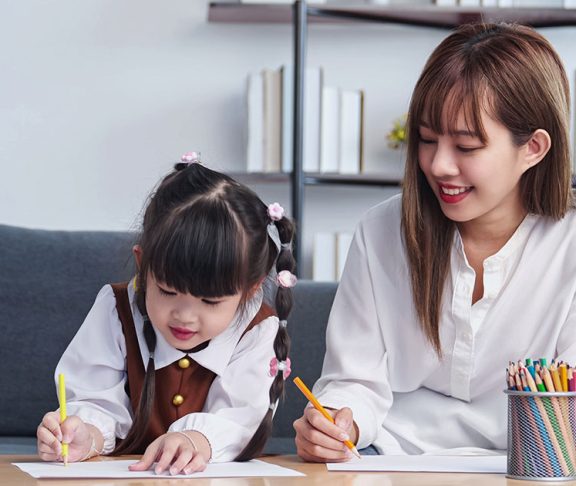
Imagine a classroom where children don’t wait until they “know all the letters” before they begin reading. Instead, they write first — in their own way — and reading grows naturally from writing through interactive dialogue.
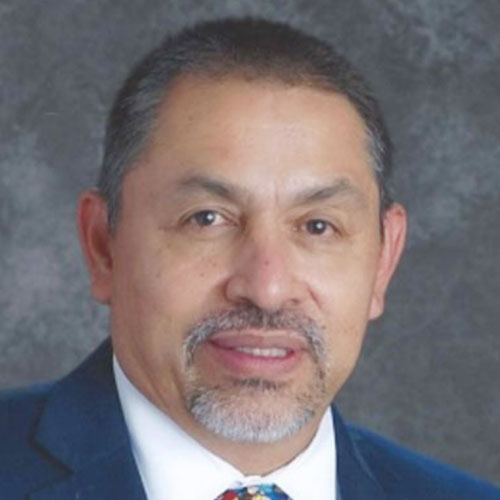
Dr. Edgar Lampkin
CEO, California Association for Bilingual Education
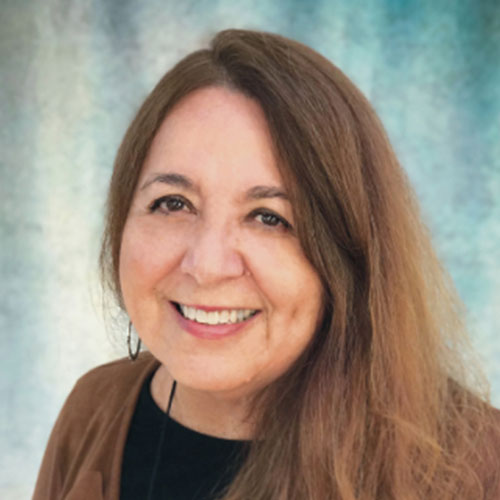
Dr. Bárbara Flores
Professor Emerita, California State University, San Bernardino, Director of Financial Affairs, CABE Board of Directors
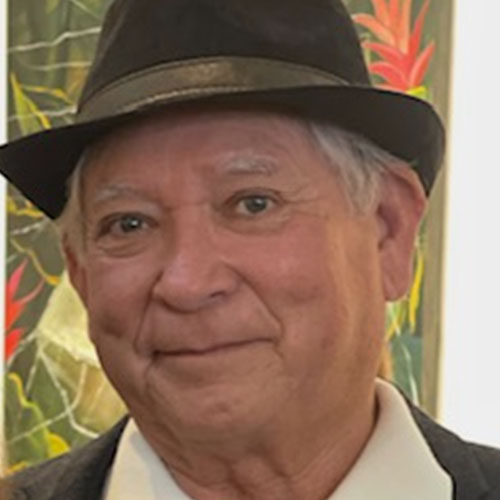
Dr. Esteban Díaz
Professor Emeritus, California State University, San Bernardino
This is the powerful idea behind Dr. Bárbara Flores’s work with emergent bilingual children: Students can learn to read while they write. At the heart of this approach is something called interactive dialogue journals. Every day, each child draws and writes about something meaningful to them. Their writing might be scribbles, invented spellings, labels, or full sentences. The goal isn’t perfection; it’s communication.
How the dialogue works
Because the teacher can’t always “read” the child’s writing yet, the child reads it aloud. Then, the teacher responds, speaking and writing at the same time, modeling how print works. The teacher reads their own response aloud, moving a finger under the words to show fluency, rhythm, and meaning. In this simple oral and written dialogue exchange, students begin to notice that:
- print carries meaning
- words have order and structure
- letters connect to sounds
- punctuation and spacing matter
- writing and reading belong together
Children as active learners
Children aren’t passive learners. They are active participants, discovering and learning how written language works. A key idea behind this practice is that learning happens through social interaction. When teachers talk, listen, write, and reread with students, they are deliberately guiding them into a deeper understanding of how reading and writing work. Flores and Dr. Esteban Díaz call teachers “sociocultural mediators.” They gently teach children from what they already know to what they are to learn next. Teacher expertise in knowing the levels of written language development and how to guide students to become writers and readers is a key element.
Another powerful principle is “write your way.” Children don’t need to fully master phonics before writing. They continue to learn letters, sounds, and spelling, but always in meaningful contexts. Over time, their writing moves from early invented forms into more conventional reading and writing that is made culturally and linguistically relevant by the sociocultural mediator, the teacher.
We see this beautifully in the journey of students like Alicia, who began by drawing and labeling, then gradually wrote entire bilingual stories by April of first grade and read them with confidence, using academic language as a biliterate learner.
This approach reminds us that literacy is more than worksheets and drills. It is thinking, communicating, and building identity.
When children write to share their ideas — and teachers respond with respect, modeling, and guidance — something remarkable happens: Children don’t just learn to read after they write. They learn to read while they write.
You can purchase Dr. Flores’ book Biliteracy Con Cariño via the CABE bookstore by visiting gocabe.org/cabestore.
